
What Is HVAC? A Complete Guide for Homeowners and Professionals
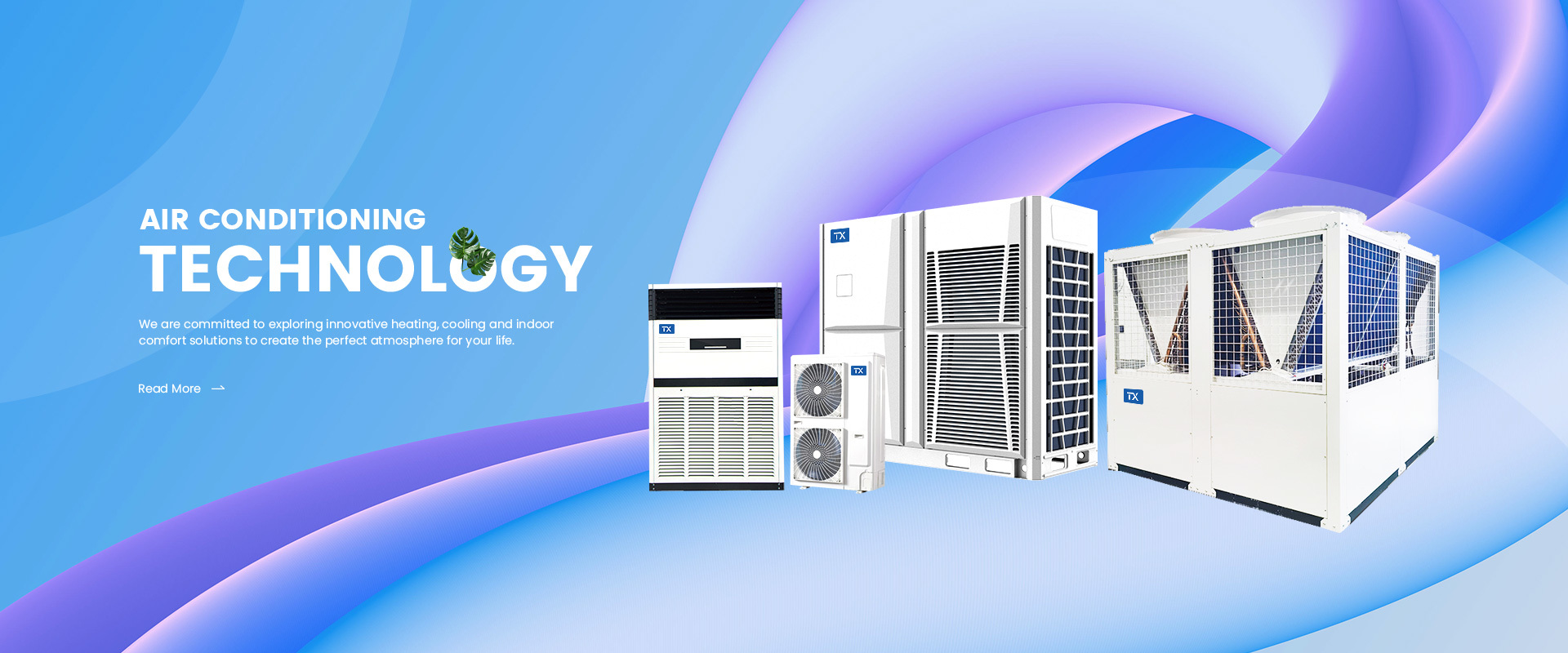
HVAC stands forHeating, Ventilation, and Air Conditioning.. This guide explains HVAC meaning, how HVAC systems work, common HVAC system types, benefits, maintenance tips, and how to choose the right solution for commercial buildings—especially for facilities in Asia and Africa.. For modern applications, a vrf air conditioning system offers excellent efficiency and zone control.
What is HVAC
HVAC stands for Heating, Ventilation, and Air Conditioning. It refers to the systems, equipment, and controls that provide thermal comfort and acceptable indoor air quality in buildings. An HVAC system combines heating and cooling machinery with ventilation, filtration, and controls so occupants experience consistent temperatures and cleaner air.
Key components of an HVAC system
- Heating equipment: furnaces, boilers, or heat pumps that generate heat for cold periods.
- Cooling equipment: air conditioners or heat pumps that remove heat from indoor air.
- Ventilation: fans, ducts, and vents that bring in fresh air and remove stale air to maintain indoor air quality.
- Controls (thermostats): devices that monitor and regulate temperature and system operation; smart controls optimize energy use.
- Filtration & humidity control: filters, humidifiers, and dehumidifiers that manage airborne particles and moisture.
How HVAC systems work
Heating mode
Heating systems generate or move heat into occupied spaces. Examples include furnaces that combust fuel to warm air pushed through ducts, and heat pumps that extract heat from outdoor air or the ground and transfer it inside.
Cooling mode
Cooling systems remove heat from indoor air. Refrigerant circulates between indoor and outdoor coils: it absorbs heat indoors and releases it outdoors. Fans and ductwork distribute the cooled air.
Airflow & ventilation
Fans move air through filters, coils, and ducts; ventilation mixes outdoor air with recirculated indoor air to dilute pollutants. Proper filtration and ventilation are essential for healthy indoor air and for mitigating dust, allergens, and odors.
Common types of HVAC systems
The right HVAC configuration depends on building size, existing infrastructure, climate, and budget. Common systems include:
| System type | Where it's commonly used | Key characteristics |
|---|---|---|
| Split system (central) | Offices, commercial buildings, many large residences | Outdoor compressor + indoor air handler/furnace; ducted distribution |
| Packaged rooftop unit | Medium to large commercial buildings | All components in one outdoor cabinet; often rooftop-mounted |
| Heat pump | Moderate climates, energy-conscious buildings | Provides both heating and cooling by reversing refrigerant flow |
| Ductless mini-split | Retrofits, additions, zones without ductwork | Outdoor compressor + multiple indoor heads; per-zone control |
| VRF / VRV | Large multi-zone commercial applications | One outdoor unit, multiple indoor units; variable refrigerant flow for zone-by-zone control |
These system names reflect common commercial and facility-grade choices; TongXing supplies units across these categories with configurations suited to regional needs.
Benefits and importance of HVAC
- Thermal comfort: enables year-round productivity and occupant comfort.
- Indoor air quality: filtration and ventilation reduce airborne contaminants and support occupant health.
- Health & safety: controlled temperature and humidity reduce risks associated with extreme heat, cold, and mold growth.
- Energy & cost savings: modern high-efficiency systems and controls lower operating costs when properly selected and maintained.
HVAC for different climates and regions
HVAC priorities change by climate. In hot, humid regions, cooling and dehumidification are primary. In temperate areas, both heating and cooling matter. In colder regions, heating predominates. For commercial projects in Asia and Africa, typical considerations include:
- Cooling capacity and dehumidification for tropical climates.
- Energy efficiency where electricity cost or supply is a concern.
- Robust filtration and ventilation for dense urban environments.
- Availability of service and parts—choose systems with local support.
TongXing offers regionalized solutions designed to match local climates, power infrastructure, and maintenance realities.
Choosing and maintaining the right HVAC system
How to choose
- Perform a load calculation: professional sizing prevents under- and oversizing.
- Match system type to building use: rooftop units for large commercial roofs; VRF for multi-zone offices; ductless for retrofits.
- Consider energy ratings: look at efficiency indicators used in your region (e.g., SEER for cooling, AFUE for heating) rather than marketing terms alone.
- Plan for maintenance and spare parts: choose brands and models with accessible support.
Maintenance checklist
- Inspect and change filters every 1–3 months or as recommended.
- Schedule annual professional inspections (clean coils, check refrigerant levels, test safety devices).
- Seal and insulate ducts to prevent energy loss and contaminant ingress.
- Use programmable or smart thermostats for optimized operation.
| Rating / Term | What it indicates |
|---|---|
| SEER (Seasonal Energy Efficiency Ratio) | Cooling efficiency for air conditioners and heat pumps—higher is more efficient. |
| AFUE (Annual Fuel Utilization Efficiency) | Combustion heating efficiency for furnaces and boilers—higher values mean better fuel use. |
Many projects benefit from a lifecycle cost analysis (first cost + operating cost) rather than making decisions on purchase price alone.
Frequently asked questions (FAQs)
Q: What does “HVAC” stand for?
A: Heating, Ventilation, and Air Conditioning.
Q: Is HVAC the same as air conditioning?
A: No. Air conditioning handles cooling (and often dehumidifying). HVAC refers to the combined system for heating, ventilation, and cooling.
Q: What are the main HVAC system choices for commercial buildings?
A: Common choices include packaged rooftop units, VRF systems for multi-zone control, split systems for large spaces, and central systems with chillers for very large facilities. Each has trade-offs in cost, control, and energy performance.
Q: How often should HVAC be serviced?
A: Basic filter checks can be monthly. A qualified technician should inspect commercial HVAC at least annually; higher-use or critical facilities may require seasonal checks and more frequent preventive maintenance.
Q: How can I reduce HVAC operating costs?
A: Combine proper equipment sizing, high-efficiency equipment, good building insulation, sealed ducts, and smart controls. Regular maintenance also preserves efficiency and extends equipment life.
About TongXing — Commercial HVAC Solutions
TongXing provides commercial HVAC systems and services optimized for diverse climates and building types. Our approach focuses on proper system design, reliable equipment, and after-sales support tailored to each region.
Get a consultation or project quote from TongXing
WhatsApp / Tel: +86 19903816965 • Email: admin@tongxingac.com
We can evaluate your building, recommend an efficient HVAC solution (packaged rooftop, VRF, heat pumps, or ducted systems), and provide installation and ongoing maintenance plans adapted to local conditions.
PREVIOUS:
