
How Does an HVAC System Work?
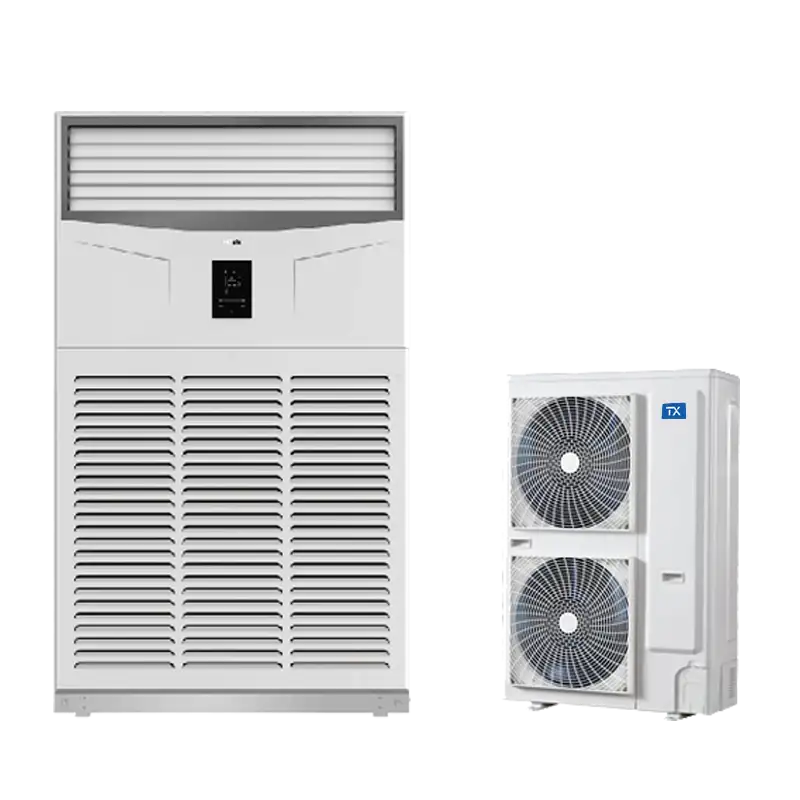
If you’ve ever asked “how does an HVAC system work?” or “how does HVAC work?”, this guide walks through the real physics behind heating, cooling, and ventilation—without hype.. It’s written for homeowners, facility managers, and builders across Africa, Asia, and beyond, where climate and power conditions vary widely.. For modern applications, a vrf air conditioning system offers excellent efficiency and zone control.
Science-based · EEAT-aligned · Consumer-friendly
Overview: What HVAC Really Does
An HVAC system—Heating, Ventilation, and Air Conditioning—regulates temperature, humidity, and air quality. Rather than “making cold,” it moves heat. In cooling mode it pulls heat from indoor air and releases it outdoors; in heating mode it adds heat indoors (either by reversing the cycle or by burning fuel). This heat movement is the practical answer to “how does hvac system work?”.
In many buildings, the same air handler, ducts, and controls serve both heating and cooling. Depending on climate, buildings may run dehumidification for comfort and health. Efficiency typically depends on equipment design, installation quality, and routine care.
Key Components (Quick Reference Table)
| Component | What It Does | Where You’ll Find It |
|---|---|---|
| Evaporator Coil | Absorbs indoor heat as refrigerant evaporates; also condenses moisture (dehumidifies). | Indoor air handler / fan coil unit |
| Condenser Coil | Rejects heat as refrigerant condenses. | Outdoor unit (split systems) or rooftop/packaged unit |
| Compressor | Moves refrigerant and raises its pressure/temperature. | Outdoor unit or packaged unit |
| Expansion Device | Drops refrigerant pressure/temperature before the evaporator. | Near indoor coil |
| Blower / Supply Fan | Pushes air over coils and into ducts/rooms. | Air handler or rooftop unit |
| Furnace / Heating Coil | Adds heat via combustion or electric elements; or hot-water coil from boiler/heat pump. | Air handler, furnace cabinet, or AHU |
| Ductwork & Diffusers | Distributes conditioned air; returns air to the unit. | Ceilings, walls, floors |
| Filters | Capture dust, pollen, and particulates to protect lungs and equipment. | Return grille or air handler |
| Thermostat & Sensors | Monitor temperature/humidity and control system operation. | Each zone or central location |
Tip: When comparing “how does an hvac system work” guides, focus on these parts—nearly every system uses them, regardless of brand.
How It Works: Cooling, Heating & Ventilation
Cooling — The Refrigeration Cycle
When people ask “how does hvac work in summer?”, they’re asking about the vapor-compression cycle:
- Evaporation (Indoor Coil): Low-pressure refrigerant absorbs heat from warm return air as it boils. Air cools and typically dehumidifies.
- Compression (Outdoor Unit): The compressor raises the refrigerant’s pressure and temperature.
- Condensation (Outdoor Coil): That vapor rejects heat to outdoor air and condenses into a liquid.
- Expansion (Metering Device): Pressure drops before the evaporator; refrigerant becomes cold again.
| Stage | What Happens | Effect on Space |
|---|---|---|
| Evaporator (indoor) | Refrigerant boils at low pressure, absorbing heat and moisture. | Air cools and dehumidifies. |
| Compressor | Vapor is pressurized; temperature rises. | No direct room effect; enables heat rejection. |
| Condenser (outdoor) | Releases heat; refrigerant condenses to liquid. | Heat is dumped outside the building. |
| Expansion device | Pressure and temperature drop. | Liquid becomes cold, ready to absorb more heat. |
Heating — Furnaces vs. Heat Pumps
Common heating methods:
- Furnace: Adds heat via combustion or electric elements; blower moves warm air through ducts.
- Heat Pump: Reverses refrigeration cycle; outdoor coil absorbs heat; indoor coil releases it. Often more efficient than resistive heat.
Ventilation & Filtration
“V” ensures healthy indoor air. Systems draw in fresh air, filter particulates, and may recover heat/energy from exhaust to save energy.
Controls, Zoning & Smart Operation
Thermostats and sensors tell the system when to run. Zoning divides a building into areas with separate setpoints. Variable-speed fans/compressors improve efficiency and comfort.
Real-World Scenarios (Africa & Asia)
Hot & Humid (e.g., Lagos, Manila)
Focus on cooling + dehumidification. Corrosion-resistant outdoor units and inverter ACs are common.
Warm Days, Cool Nights (e.g., Nairobi)
Heat pumps often cover both night heating and day cooling efficiently.
Temperate & Four Seasons (e.g., Northern China)
Hybrid systems balance heating and cooling year-round.
High-Rises (e.g., Singapore, Hong Kong)
Mini-splits or VRF systems provide zone control with minimal shaft space.
Maintenance Essentials (Short)
- Replace/clean filters monthly.
- Keep coils and drains clean.
- Seal ducts, unblock grilles.
- Check thermostat accuracy.
- Annual professional inspection recommended.
Quick FAQ: How does a HVAC unit work?
In short: indoor air passes over a cold evaporator; refrigerant absorbs heat; compressor pushes heat outdoors; cooled air returns indoors. Reverse cycle or furnace adds heat in winter.
Why Tongxing HVAC
Tongxing provides HVAC solutions for homes, offices, hospitals, and industry, optimized for African, Asian, and global climates. Products include VRF, rooftop units, chillers, and smart controls.
Explore products or speak with an engineer: tongxinghvac.com
