
HVAC Load Calculation: Complete Guide for Homeowners, Engineers, and Contractors
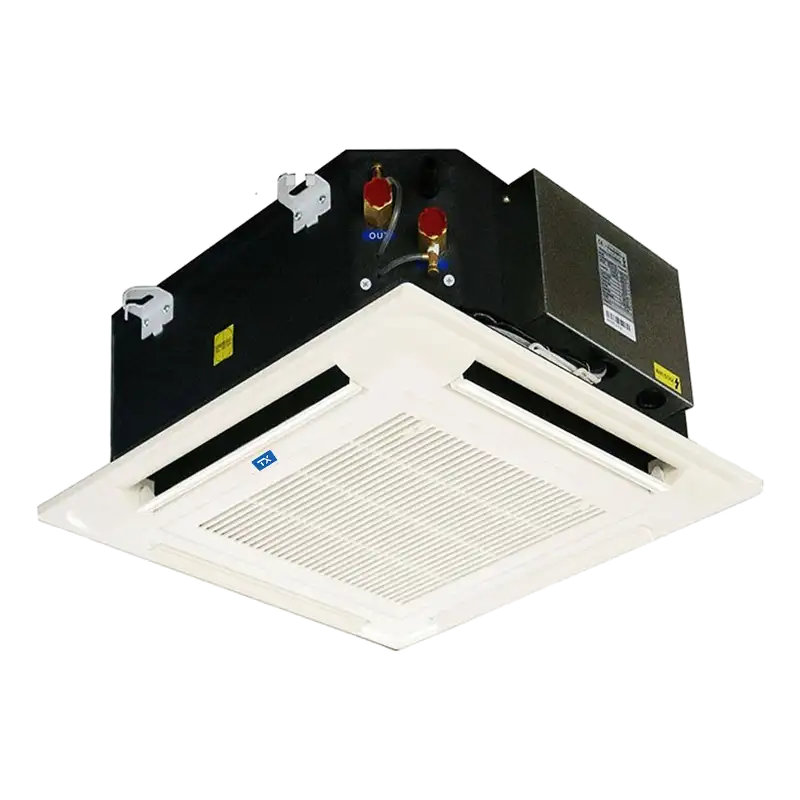
HVAC load calculation is the foundation of an efficient heating and cooling system.. Whether you’re a homeowner looking for comfort, a contractor designing a system, or an engineer ensuring compliance with industry standards, understanding HVAC load calculations will help you size your equipment correctly, avoid wasted energy, and ensure indoor comfort year-round.. For modern applications, a vrf air conditioning system offers excellent efficiency and zone control.
What Is HVAC Load Calculation?
HVAC load calculation is the process of determining how much heating or cooling a building needs to maintain a comfortable temperature. In practical terms, this involves calculating the heat loss in winter and heat gain in summer using a combination of building data, environmental factors, and energy transfer formulas.
Common terms you’ll see include load calculations HVAC, load calculation HVAC, and heat load calculation HVAC. These refer to the same core process, with variations based on whether the focus is heating, cooling, or both.
Why HVAC Load Calculation Matters
- Energy Efficiency: Oversized or undersized HVAC units waste energy and money.
- Comfort: Proper sizing ensures even temperatures and good humidity control.
- Equipment Longevity: Correct sizing prevents short cycling and premature wear.
- Cost Savings: An accurately sized system reduces both installation and operational costs.
Manual J HVAC: The Industry Standard
The Manual J HVAC method, developed by the Air Conditioning Contractors of America (ACCA), is the gold standard for residential load calculations. It factors in:
- Climate zone
- Insulation levels
- Window types and orientation
- Air infiltration rates
- Occupancy and appliance heat loads
For contractors and engineers, performing a Manual J HVAC calculation is essential for meeting code requirements and ensuring system performance.
Types of HVAC Load Calculations
| Type | Purpose | Typical Use |
|---|---|---|
| Heating Load Calculation | Determines heat loss in cold weather | Furnace or heat pump sizing |
| Cooling Load Calculation | Determines heat gain in warm weather | Air conditioner or chiller sizing |
| Latent Load Calculation | Measures moisture removal needs | Humidity control systems |
Step-by-Step Process of HVAC Load Calculation
- Gather Building Information: Square footage, insulation, windows, doors, orientation.
- Factor in Climate Data: Outdoor temperature extremes from reliable sources (e.g., U.S. Department of Energy).
- Consider Internal Gains: People, appliances, and lighting add heat.
- Apply Manual J or equivalent formulas: Use an HVAC sizing calculator or professional software.
- Cross-check with HVAC calculator tools: Compare with a free HVAC calculator for confirmation.
Tools for HVAC Load Calculations
There are many tools available to help, from simple spreadsheets to advanced modeling software. Examples include:
- HVAC Load Calculator Free: Quick estimates for homeowners.
- Professional Load Calc HVAC Software: Detailed results for contractors.
- HVAC Manual J Tools: ACCA-approved software for compliance.
Example: HVAC Load Calculation for a 2,000 sq ft Home
| Parameter | Value |
|---|---|
| Location | Dallas, TX |
| Home Size | 2,000 sq ft |
| Insulation Level | R-30 attic, R-13 walls |
| Calculated Cooling Load | 30,000 BTU/h |
| Calculated Heating Load | 45,000 BTU/h |
| Recommended System | 2.5 ton AC, 50k BTU furnace |
Note: These values are for illustration only. Use an HVAC load calculator or hire a professional for precise results.
Common Mistakes in HVAC Load Calculation
- Guessing instead of measuring building data
- Using “rule of thumb” sizing instead of Manual J HVAC
- Ignoring humidity loads
- Not accounting for energy-efficient upgrades
When to Recalculate HVAC Loads
Even experienced contractors sometimes make errors during HVAC load calculations. The most common include:
Relying on “rule of thumb” methods (e.g., tons per square foot) instead of Manual J HVAC.
Ignoring building envelope upgrades such as new insulation or window replacements.
Overlooking infiltration rates—air leaks can drastically impact heating and cooling loads.
Failing to account for humidity (latent load), which affects comfort and indoor air quality.
Using outdated climate data rather than updated regional temperature extremes.
Avoiding these mistakes ensures accurate sizing and better long-term system performance.
Case Study: Residential HVAC Sizing
Let’s look at a practical example of HVAC load calculation in action:
Home Profile
Location: Orlando, FL (hot and humid climate)
Size: 2,400 sq ft, single-story
Insulation: R-38 attic, R-15 walls
Windows: Double-pane, low-E coating
Load Calculation Results
Cooling Load: ~36,000 BTU/h (3 tons)
Heating Load: ~40,000 BTU/h
Latent Load: Significant due to humidity, requiring strong dehumidification capacity
System Recommendation
3-ton central air conditioning system with variable-speed blower
45k BTU gas furnace
Integrated dehumidification for moisture control
This demonstrates how regional climate and building characteristics shape the final system choice.
Tips for Homeowners & Contractors
Whether you’re a homeowner or HVAC professional, here are actionable tips:
For Homeowners
Don’t accept “rule of thumb” estimates—ask for a Manual J HVAC report.
Consider future upgrades (windows, insulation) before finalizing system size.
Use free HVAC load calculator tools for a ballpark estimate, but confirm with a pro.
For Contractors & Engineers
Always base calculations on the latest building and climate data.
Double-check infiltration assumptions—blower door tests can improve accuracy.
Present results clearly to homeowners with both numbers and plain-language explanations.
Conclusion
HVAC load calculation is the foundation of efficient system design. By accurately determining a home or building’s heating and cooling needs, you can:
Ensure comfort year-round
Prevent energy waste
Extend equipment lifespan
Reduce both upfront and long-term costs
Whether you use Manual J HVAC software or hire a certified contractor, getting load calculations right is the first step toward an HVAC system that performs reliably and efficiently.
