
What Is an HVAC RTU (Rooftop Unit)? A Complete Guide for Homeowners, Engineers, and Contractors
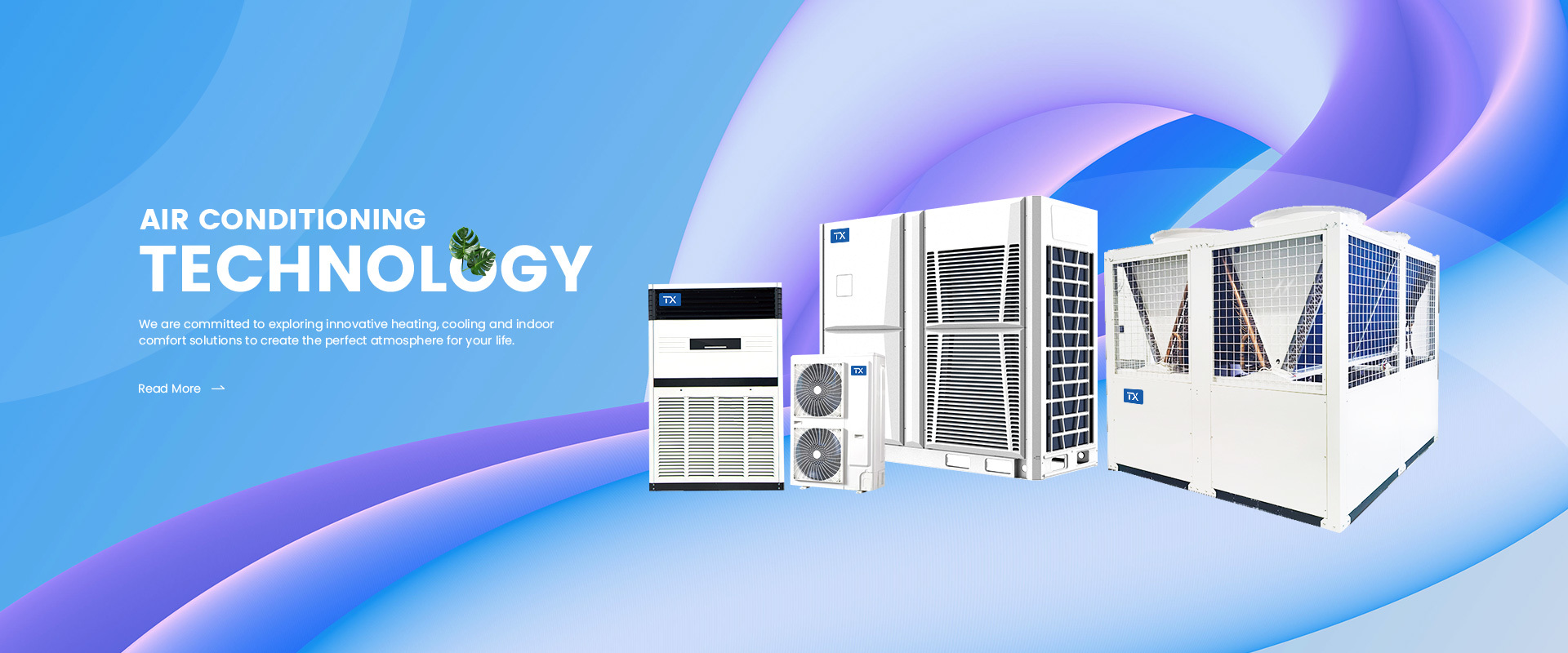
When people askwhat is an RTU in HVAC, they often imagine a metal box on a roof.. In reality, anHVAC rooftop unit—also called aroof HVAC unit,roof top HVAC unit, or simply “RTU”—is a self-contained system that provides heating, cooling, ventilation, and filtration from above.. For modern applications, a vrf air conditioning system offers excellent efficiency and zone control. This guide explains theRTU HVAC meaning, how it works, where it shines, and what to consider if you’re in Asia or Africa, from Nairobi and Accra to Dubai, Kuala Lumpur, and Manila.
Table of Contents
- RTU Definition in HVAC
- Components & How a Rooftop HVAC Works
- Types & Configurations of HVAC Rooftop Units
- Sizing & Structural Considerations (HVAC Roof)
- Installation Best Practices
- Maintenance Tips for RTUs HVAC
- Real-World Use Cases in Asia & Africa
- Benefits & Limitations
- How to Choose the Right RTU HVAC
- Quick FAQ: What Does RTU Stand For in HVAC?
- Next Steps
1) RTU Definition in HVAC: What Does RTU Stand For?
RTU stands for Rooftop Unit. The RTU HVAC definition (or RTU definition HVAC) is a packaged heating, ventilation, and air conditioning system installed on the roof. In other words, most major components—compressor, coils, blower, filters, and controls—live inside a single cabinet. People also search what is RTU HVAC or what is an RTU HVAC when they want a plain-English answer: it’s a compact, roof-mounted system that conditions air for your building.
Because many buildings across Asia and Africa have flat or accessible roofs, rooftop HVAC installations can free up indoor space, simplify service access, and scale by adding more HVAC rooftop units as demand grows.
2) Components & How a Rooftop HVAC Works
Understanding the parts helps clarify the RTU HVAC meaning and how RTUs HVAC deliver comfort:
- Compressor circulates refrigerant.
- Evaporator coil absorbs heat from return air.
- Condenser coil rejects heat to outdoors.
- Blower/fan moves air through ducts.
- Filters capture dust and particulates.
- Dampers & economizer regulate outdoor/return air mix; in cooler weather, an economizer can reduce compressor use.
- Heating section may be electric, gas, or heat-pump based.
- Controls range from a simple thermostat to advanced, networked systems.
How it works: the RTU draws return and/or outdoor air, filters it, conditions it via coils and (if needed) a heating section, then supplies the conditioned air back through ductwork. Some air is exhausted to maintain indoor air quality.
3) Types & Configurations of HVAC Rooftop Units
- Standard packaged RTU: heating + cooling in one cabinet.
- 100% outdoor air / DOAS: focuses on ventilation needs; common in healthcare, education, or commercial settings.
- Energy recovery RTU: adds heat wheels or plates to reclaim energy from exhaust air.
- Custom RTU: built for harsh or specialized environments (e.g., coastal or industrial sites).
Terms you’ll see people use include rooftop HVAC, HVAC rooftop unit, and roof HVAC unit—they all refer to the same family of systems.
4) Sizing & Structural Considerations (HVAC Roof)
- Tonnage & load: Calculate based on area, occupancy, internal gains, and climate zone. Hot-humid cities (e.g., Lagos, Kuala Lumpur) often need higher latent control.
- Roof structure: Verify load-bearing capacity and curb design with a structural engineer before choosing a unit.
- Duct & access: Ensure adequate service clearances, weatherproof penetrations, and safe lift paths for cranes.
5) Installation Best Practices
- Pre-install survey: Confirm structure, electrical capacity, and condensate routing.
- Rigging plan: Coordinate crane access and safety on the day of the lift.
- Sealing & flashing: Weatherproof the roof curb and all penetrations.
- Controls setup: Commission thermostats/economizers and verify intended ventilation rates.
- Air balance: Balance supply/return to avoid pressurization issues.
6) Maintenance Tips for RTUs HVAC
Routine care helps sustain efficiency and comfort:
- Replace or clean filters every 1–3 months (usage dependent).
- Clean condenser/evaporator coils (typically annually).
- Inspect belts, bearings, fans, and electrical connections.
- Check refrigerant charge and operating pressures.
- Verify economizer operation and damper calibration.
Field studies and lab datasets indicate that well-maintained RTUs can operate more efficiently and more reliably over time. For technical readers, see the Berkeley Lab RTU dataset (case data and fault studies).
7) Real-World Use Cases in Asia & Africa
- Shopping mall in Manila: standard packaged RTUs with economizers reduced compressor run-time during evening hours, trimming electricity costs.
- Coastal clinic in Mombasa: corrosion-resistant cabinets and coils extended service life under salt-spray conditions.
- Office tower in Dubai: networked controls coordinated multiple HVAC rooftop units to meet changing loads across zones.
These scenarios illustrate how a rooftop HVAC strategy can scale, especially where indoor floorplate is valuable and roof access is feasible.
8) Benefits & Limitations
Benefits
- Space saving: equipment sits on the HVAC roof, freeing indoor area.
- Service access: technicians can work with minimal disruption.
- Modularity: add units as the building or business grows.
- Potential efficiency: economizers and energy recovery can reduce run-time in suitable climates.
Limitations
- Structural demands: roofs must support static and dynamic loads.
- Weather exposure: UV, wind, dust, and salt can affect longevity without proper selection and care.
- Rigging logistics: crane access and safety planning are part of most installs.
Because conditions vary, it’s prudent to avoid one-size-fits-all claims and evaluate each site on its merits.
9) How to Choose the Right RTU HVAC
- Climate: consider dry-hot vs. hot-humid vs. mixed; economizers are more useful where outdoor air is often cooler/drier than indoor setpoints.
- Load profile: occupancy patterns, internal heat gains, and ventilation requirements.
- Life-cycle cost: energy, maintenance, and expected service life—not just first cost.
- Local support: parts availability and qualified technicians in your city/region.
For standards-minded readers, organizations like ASHRAE publish guidance on ventilation and efficiency (e.g., economizer use and climate zones). For policy and program resources, see U.S. Department of Energy initiatives on commercial HVAC. (We keep outbound links to ≤3 authoritative sites to maintain focus and trust.)
Thinking about a replacement or a new install? Our team designs, sizes, and installs RTUs for homes and commercial sites across Asia and Africa. We’ll assess your roof structure, climate, and budget to recommend a right-sized solution.
