
What Is VRF HVAC? A Practical, Science-Based Guide for Homes & Buildings
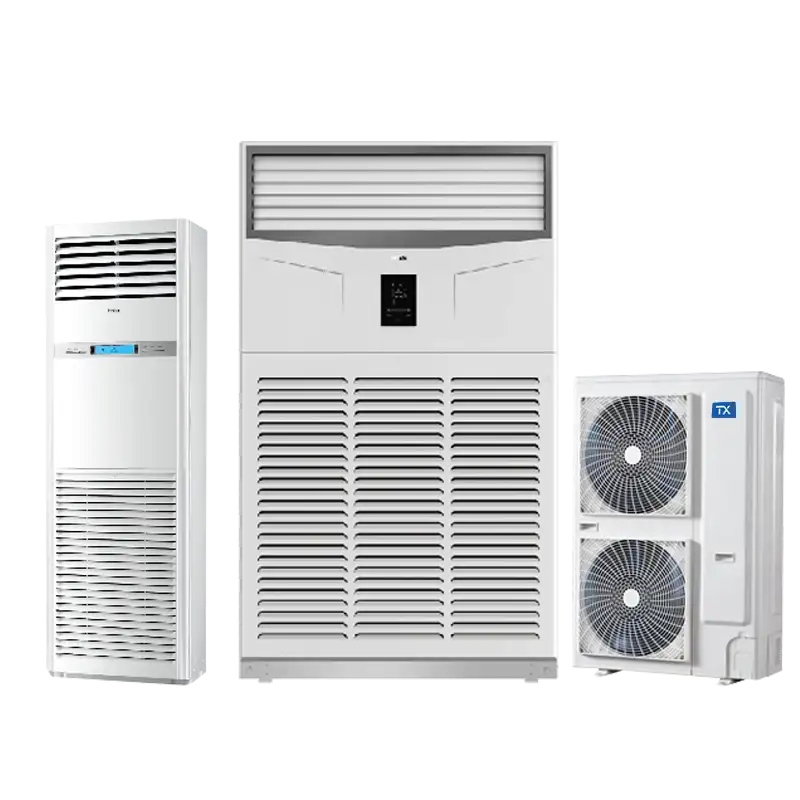
If you manage comfort in a villa, apartment block, mall, hospital, school, or office in Asia or Africa, you’ve likely heard the termVRF.. This guide explains what VRF means in HVAC, compares it to VAV, and shows where each technology fits—using evidence, real-world scenarios, and clear selection tips.. For modern applications, a commercial vrf system system offers excellent efficiency and zone control. At the end are FAQs that include common search terms.
VRF HVAC Meaning
VRF stands for Variable Refrigerant Flow. A VRF HVAC system uses inverter-driven compressors to vary the flow of refrigerant through small piping to many indoor units, each serving a separate zone. Every zone can be controlled independently, and the system modulates output continuously to match load. That is the core definition.
How a VRF System Works
A typical VRF system includes:
- Outdoor unit(s) with variable-speed (inverter) compressors.
- Multiple indoor units (wall, cassette, ducted, console, etc.), often dozens per system.
- Refrigerant piping and branch/selector boxes that distribute refrigerant to each indoor unit.
- Controls that coordinate zones and optimize part-load performance.
When a room needs cooling or heating, its indoor unit requests capacity. The outdoor unit modulates compressor speed and varies refrigerant flow so each zone gets just enough capacity—no more, no less. This continuous, part-load modulation is a major reason VRF can deliver strong comfort and energy performance when properly designed, installed, and commissioned.
Two Common VRF Configurations
Heat-pump VRF
All zones operate in the same mode (all cooling or all heating). Simple and effective where the entire building typically requires the same mode.
Heat-recovery VRF
Zones can cool and heat simultaneously by moving heat from cooling zones to heating zones (“heat recovery”), often improving seasonal efficiency in buildings with mixed loads.
VRF vs. VAV at a Glance
VAV (Variable Air Volume) supplies conditioned air through ducts; each zone’s VAV box varies air volume to meet load. It’s common in large single-use floorplates (schools, hospitals, many offices).
VRF supplies refrigerant directly to indoor coils; each zone’s unit varies refrigerant flow and fan speed. It’s compact, modular, and well suited to multi-tenant comfort and retrofits.
TVRF vs VAV
| Attribute | VAV HVAC System (Variable Air Volume) | VRF HVAC System (Variable Refrigerant Flow) |
|---|---|---|
| Working medium | Airflow through ductwork | Refrigerant through piping |
| Zonal control | Moderate (dampers/boxes per zone) | High (indoor unit per zone; fine control) |
| Part-load behavior | Good vs CAV; depends on fans/ducts | Often very strong via inverter modulation |
| Simultaneous heat/cool | Typically no (without complex add-ons) | Yes with heat-recovery VRF |
| Space/weight | Larger shafts/ducts; central AHUs | Smaller piping; less duct space |
| Retrofit complexity | Higher (duct routing) | Often easier (piping routes) |
| Typical fit | Large, uniform spaces (schools, hospitals, big offices) | Hotels, multifamily, villas, mixed-use, distributed zones |
Note: Actual performance depends on design quality, climate, and controls—avoid one-size-fits-all assumptions.
Where VRF Shines
Advantages you can expect
- Energy at part load: Inverter compressors frequently run at partial capacity, matching demand and avoiding waste. Heat-recovery VRF can reuse heat from cooling zones to heat other zones.
- Comfort & independence: Each room/tenant can have different setpoints and schedules—useful in hotels, apartments, clinics, and modern offices.
- Compact infrastructure: Slim refrigerant pipes and distributed indoor units reduce duct space and can ease retrofits.
- All-electric pathway: VRF systems are fully electric, supporting decarbonization where the grid is improving.
Considerations & trade-offs
- First cost: VRF equipment and controls can cost more upfront than some ducted alternatives; lifecycle analysis is important.
- Skill & commissioning: Technicians trained on VRF design, refrigerant charge, leak detection, and controls integration are essential.
- Scope & scale: For very large single-use floors with robust mechanical rooms, a VAV system may still be the most economical choice.
- Refrigerant code limits: Design must respect refrigerant concentration limits and ventilation rules for occupied spaces according to local codes.
Real-World Scenarios
- Mixed-use mall + offices (hot climate): Heat-recovery VRF can move heat from cooling areas (kitchens, server rooms) to zones that need heating, reducing compressor work and improving efficiency.
- Coastal boutique hotel: Quiet operation, independent control, and limited shaft space favor VRF. Individual billing and occupancy-based setpoints can further reduce energy use.
- Mid-rise multifamily retrofit: Existing shafts might not carry large ducts; VRF with slim piping avoids major structural work and allows phased upgrades.
- Clinics & specialty spaces: A mix of 24/7 rooms and intermittent rooms benefit from per-zone scheduling and capacity modulation.
Quick Selection Guide
| Building / Constraint | Lean VAV | Lean VRF |
|---|---|---|
| Large single-use floors (schools, many hospitals) | ✅ Often | — |
| Mixed-use, frequent simultaneous heat/cool | — | ✅ Heat-recovery VRF |
| Tight shafts / retrofit with minimal downtime | — | ✅ Small piping, modular |
| Tenant-by-tenant control/billing | — | ✅ Per-zone metering/control |
| Lowest first cost, simple single zone | ✅ Often (or unitary) | — |
| Decarbonization / all-electric pathway | — | ✅ All-electric heat pumps |
Tip: Hybrids exist. Some projects use an airside VAV approach for ventilation and a VRF approach for sensible loads—mix the tools to fit the brief.
Standards, Definitions & Compliance
Formal definitions describe VRF as a DX multi-split with variable capacity and multiple indoor units for independent zones. Regulatory frameworks and test procedures (used in many jurisdictions) help produce apples-to-apples EER/COP data for submittals. Public-sector specifications often require integration with BAS/BMS, documented control sequences, and commissioning evidence.
Implementation Tips
- Start with loads & zoning: Right-size outdoor units and think carefully about zone groupings; over-zoning can add cost without benefit.
- Mind ventilation: VRF handles zone sensible/latent loads, but you still need a code-compliant outdoor-air strategy (DOAS, ERV/HRV) and proper control coordination.
- Prioritize commissioning: Verify refrigerant charge, piping workmanship, leak testing, and control sequences (setpoint deadbands, setback logic, occupancy).
- Plan maintenance: Ensure access to indoor units and branch devices. Keep filters and coils clean; monitor alarms via BMS/BACnet.
Why Tongxing HVAC?
Tongxing HVAC designs, installs, and maintains VRF and VAV systems across Asia and Africa. Whether you need a compact VRF retrofit in a dense city block or a robust VAV system for a new school, engineers should balance first cost, comfort, and lifecycle performance—using transparent, data-driven analysis rather than absolute claims.
Further Readingti-split and VRF systems (consult ASHRAE resources for definitions and recommended practices).
- DOE / regulatory frameworks – efficiency standards and test procedures for multi-split heat pump equipment.
- Public agency guidance – specifications on integration, commissioning and control documentation for owner submittals.
FAQs
1) What is VRF HVAC?
VRF HVAC is a variable refrigerant flow system that modulates refrigerant flow to multiple indoor units for precise zoning and high part-load efficiency.
2) What does VRF stand for in HVAC, and what’s the meaning of VRF in HVAC?
It stands for Variable Refrigerant Flow. In practice it means a DX multi-split system with at least one variable-capacity compressor serving many zones via refrigerant piping with independent controls.
3) VRF vs VAV: which should I choose?
If you want centralized air distribution in large, uniform spaces, a VAV system can be effective. If you need per-room control, limited shaft space, or simultaneous heat/cool (hotels, mixed-use, retrofits), VRF—especially heat-recovery VRF—is often a better fit. Outcomes depend on climate, ventilation strategy, and commissioning quality.
4) Is a VRF HVAC system always more efficient?
Not always. VRF can be highly efficient at part load and when heat recovery is utilized, but results vary with climate, ventilation approach, setpoints, and commissioning quality. Compare modeled EER/COP and sequences for your project.
5) Does VRF replace ventilation?
No. VRF handles zone conditioning, but you still need a code-compliant outdoor-air system (e.g., DOAS/ERV) and proper controls to maintain IAQ and ventilation rates.
6) Where can I read an official HVAC VRF definition or standards?
Consult ASHRAE terminology and applicable regulatory materials or test procedures in your jurisdiction for formal definitions and performance test methods.
