
Mold in HVAC Ducts: Causes, Risks, and Effective Solutions
Introduction — why mold in HVAC ducts matters
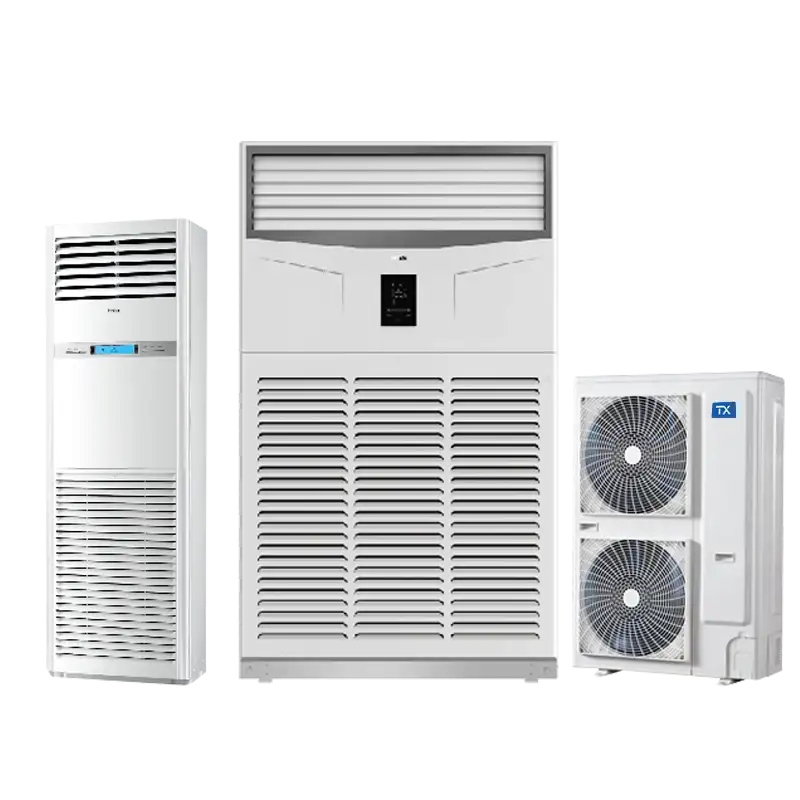
If you notice a persistent musty smell from vents, visible dark spots at registers, or unexplained allergy symptoms, there may bemold in your HVAC ductsor ductwork.. Mold inside an HVAC system can reduce indoor air quality, lower system efficiency, and aggravate respiratory conditions in sensitive individuals.. For modern applications, a vrf air conditioning system offers excellent efficiency and zone control. This guide explains causes, detection, remediation, and prevention — with practical checks you can use right away.
What is "mold in HVAC ducts"?
Mold is a general label for many fungal species that produce spores and grow where moisture and organic material exist. When mold grows inside or around HVAC components — including supply & return vents, ductwork, coils, and insulation — we refer to this as mold in HVAC ductwork or mold in HVAC vents.
For authoritative background on mold and indoor air, see the EPA's guidance on duct cleaning and indoor mold. EPA — Should you have your air ducts cleaned?
Why does mold grow in HVAC systems?
Mold requires three things to grow: moisture, organic material (dust/skin/pollen), and a suitable temperature. HVAC systems — especially in humid climates — often provide all three.
| Mechanism | Typical HVAC Situation | Why it promotes mold |
|---|---|---|
| Condensation / water | Cold coils or ducts contacting warm, humid air | Forms droplets or damp spots that sustain fungal growth |
| Leaks & poor insulation | Ducts in attics, crawlspaces, or with gaps | Allows humid air to enter and condense inside ducts |
| Dust & organics | Clogged filters, pet dander, settled dust | Provides "food" for mold to colonize |
| Stagnant air | Long or unused branch ducts | Humidity lingers instead of drying out |
Industry associations note that leaks and poor maintenance are leading contributors to microbial contamination in HVAC systems. NADCA — Sources of contamination in HVAC systems
How to detect mold in ducts and vents
Early detection helps avoid larger problems. Look for these common signals:
- Persistent musty or earthy odor when the system runs
- Visible dark/green/white spots at registers or inside accessible ducts
- Consistent condensation, wet spots, or dripping near coils or duct runs
- Increased allergy or respiratory symptoms when HVAC runs
If you’re unsure, a qualified inspection and (if needed) lab testing can confirm the species and extent. The EPA provides guidance on when duct cleaning or professional remediation is appropriate. EPA — Mold course, chapter on detection and cleanup
Quick self-check checklist:
- Do vents smell musty after startup?
- Is indoor relative humidity often above 60%?
- Are filters overdue for replacement?
- Is there visible condensation on ducts, coils, or drain pans?
Health & system impacts
Mold spores can circulate through your HVAC system. While not every mold species is highly toxic, spores and fragments can trigger allergic reactions, worsen asthma, or cause nasal/throat irritation in sensitive people. On the system side, microbial growth can reduce airflow, foul coils and filters, and shorten equipment life.
Because outcomes depend on species, exposure level, and occupant sensitivity, avoid absolute statements — treat visible mold and persistent odor as actionable warning signs and investigate further.
How to remove and treat mold in HVAC systems
Responses fall into two categories: DIY for light, visible surface mold and professional HVAC mold treatment for extensive or hard-to-reach contamination.
| Item | DIY Cleaning | Professional Treatment |
|---|---|---|
| Best for | Small, accessible areas (registers) | Widespread growth, hidden contamination, or health-sensitive occupants |
| Tools / materials | Gloves, mask, detergent, vinegar or 3% H₂O₂ | HEPA vacuums, negative air, EPA-approved sanitizers, testing |
| Cost | Low (material + time) | Higher (equipment + labor) but more thorough |
| Effectiveness | Surface-level only; risk of incomplete removal | More comprehensive when paired with source fixes |
DIY steps (for minor, accessible mold)
- Turn off power to the HVAC unit to avoid spreading spores via the blower.
- Remove and clean vent covers with soap and water; dry completely.
- Clean visible mold with white vinegar or 3% hydrogen peroxide — never mix chemicals.
- Replace disposable filters after cleaning.
- Restart system only when components are fully dry.
Important: Do not attempt to clean mold from insulated ducts or deep inside ductwork yourself. EPA guidance recommends professional remediation for widespread contamination. EPA — Duct cleaning guidance
What professionals typically do
- Perform inspection and testing when needed
- Use HEPA vacuums, negative air machines, and controlled cleaning methods
- Sanitize coils, pans, and accessible duct sections with approved products
- Repair leaks, improve insulation, and address humidity sources
Prevention — keep mold from coming back
Long-term control is about moisture management and system hygiene. Key measures include:
- Maintain indoor relative humidity at 30–50% (use dehumidifiers where needed).
- Replace air filters every 1–3 months depending on use and environment.
- Seal duct joints and insulate ducts running through unconditioned spaces.
- Keep condensate drains and drip pans clean and flowing.
- Schedule professional inspections every 3–5 years or sooner in humid regions.
TongXing offers system-level improvements — from duct design and insulation to humidity control — that reduce the conditions mold needs to return.
Why choose TongXing for HVAC mold solutions
TongXing is an HVAC systems supplier with global clients. We provide:
- Comprehensive assessments & remediation planning
- Design upgrades to reduce condensation and improve airflow
- Preventive maintenance programs and training
- Worldwide support and spare-parts availability
Contact us: WhatsApp/Tel: +86 19903816965 · Email: admin@tongxingac.com · Website: www.tongxinghvac.com
FAQ
I can’t see mold but there’s a musty smell — should I worry?
Yes — odors often indicate microbial activity even when colonies aren’t visible. Start with the self-check list (filters, humidity, condensation) and consider an inspection if the smell persists.
Can regular duct cleaning prevent mold?
Regular cleaning helps remove dust and organics, but cleaning alone won’t prevent mold if moisture sources or leaks remain. Pair cleaning with humidity control and duct sealing for lasting results.
Is bleach safe for cleaning ducts?
Bleach can corrode metal and may damage components; it’s generally not recommended for duct interiors. Use milder cleaners (white vinegar, 3% hydrogen peroxide) for small accessible areas, and rely on professionals for deep sanitation.
How often should ducts be inspected or cleaned?
Typical guidance is inspection every 3–5 years, sooner if you live in a humid climate, have pets, or notice odors or visible buildup. Follow inspection with targeted corrective work (seal leaks, fix drainage, upgrade insulation) if needed.
Does TongXing perform mold remediation?
Yes — TongXing provides consultation, inspection, and system-level remediation and upgrades. Contact us for a tailored assessment: WhatsApp/Tel: +86 19903816965 · Email: admin@tongxingac.com.
Conclusion
Mold in HVAC ducts signals moisture and maintenance issues. With early detection, correct remediation, and targeted prevention measures (humidity control, sealing, insulation), most problems can be controlled or avoided. For system-level solutions and professional support, TongXing is available to help design, remediate, and maintain HVAC systems that stay clean and efficient.
Contact TongXing: www.tongxinghvac.com · WhatsApp/Tel: +86 19903816965 · Email: admin@tongxingac.com
