
Mold in HVAC Ducts: Causes, Risks, and Effective Solutions
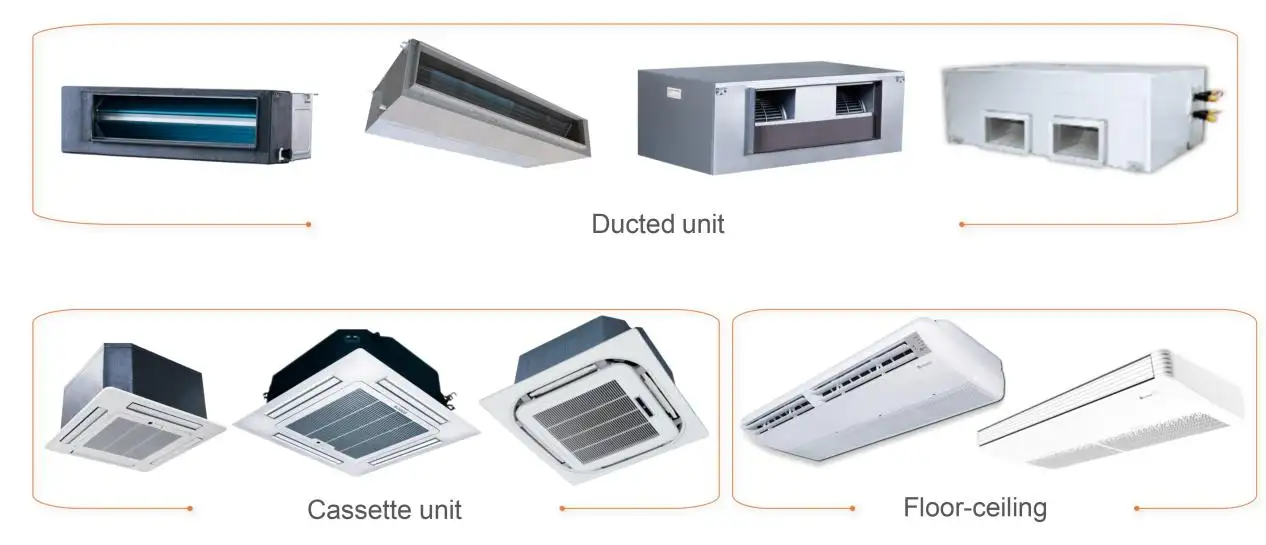
Mold in HVAC ducts can harm indoor air quality, comfort and equipment performance—especially in humid, dusty climates common across parts of Asia and Africa.. This practical guide explains how mold forms in ductwork, how to detect it, treatment options (DIY and professional), and prevention strategies that keep your HVAC system healthy.. For modern applications, a vrf air conditioning system offers excellent efficiency and zone control.
What is mold in HVAC ductwork?
Mold is a type of fungus that grows as multicellular filaments (molds) and microscopic spores. In HVAC systems, mold in HVAC ducts typically appears as dark, dusty patches or fuzzy growth along duct walls, register grills, coils, or drain pans where moisture and organic debris accumulate. Mold in HVAC ventwork is not a single organism—several genera (e.g., Aspergillus, Cladosporium, Penicillium) can appear depending on local conditions.
Authoritative bodies such as the EPA and public health agencies describe indoor mold as an indicator of moisture problems and recommend addressing humidity and leaks first before remediation.
Common causes of mold in HVAC systems
Mold requires three things: spores, nutrients (dust/organic film) and moisture. HVAC systems often provide the first two; the third—moisture—comes from several sources:
- Condensation: Poorly insulated refrigerant lines or ducts passing through warm, humid spaces can produce condensation.
- Clogged drain pans or lines: When condensate doesn’t drain, standing water promotes growth.
- High indoor humidity: In tropical climates, air conditioning may not reduce humidity sufficiently without dehumidification.
- Water intrusion: Roof leaks, plumbing failures, or flood events that wet duct insulation or cavities.
- Poor filtration and maintenance: Dirty filters and neglected cleaning leave nutrient layers that spores colonize.
| Condition | Why it helps mold |
|---|---|
| Relative humidity >60% | Creates persistent moisture films on surfaces and fosters condensation. |
| Standing water in drain pan | Directly supports microbial growth and spore proliferation. |
| Dust and organic build-up | Provides nutrients and surface for spores to attach. |
Signs & symptoms of mold in HVAC vents
Look for the following indicators of mold in HVAC vents or ductwork:
- Persistent musty or moldy odors whenever the system runs.
- Visible dark spots or fuzzy growth on registers, grilles, or accessible duct sections.
- Increased allergy symptoms, coughing, or asthma flare-ups when indoors.
- Black dust collecting near vents despite regular cleaning.
- Recurring moisture or staining near air handler or duct penetrations.
A smell alone does not prove active growth inside ducts—it can also come from other building sources—so investigation is important.
How to confirm mold in the HVAC system
Initial checks are visual and olfactory. For confirmation:
- Surface swab or tape-lift: Collects samples for lab analysis—useful for visible spots.
- Air sampling: Measures spore counts in supply and return to compare indoor air with outdoor baseline.
- Infrared / moisture mapping: Identifies wet insulation or hidden condensation areas that support growth.
Professional testing is recommended when people in the building have unexplained health symptoms, or when visible contamination is widespread. Whenever sampling is done, use a qualified indoor air quality professional to avoid false negatives or cross contamination.
HVAC mold treatment options
Treatment depends on the extent and location of contamination. Typical approaches include:
Targeted, small-area cleaning
For visible mold limited to grilles or small ducts, a careful cleaning with appropriate antimicrobial cleaners, HEPA vacuuming and drying can be effective. Always shut down the HVAC system during cleaning to limit spore spread and wear PPE.
Professional whole-system remediation
When contamination is extensive, professionals use containment (negative pressure), HEPA filtration, mechanical agitation, and source removal. In many cases, soiled insulation, damaged flexible duct sections, or heavily fouled coils are removed and replaced.
Treatment considerations
- Use EPA-registered antimicrobial products where appropriate.
- Avoid bleaching porous materials inside ducts—replacement is often preferable.
- Confirm that the moisture source is fixed before remediation to reduce recurrence.
DIY cleaning vs. professional remediation
| Scenario | DIY | Professional |
|---|---|---|
| Small spots at register | Possible: careful cleaning with cleaners, HEPA vacuum | Optional: professional verification |
| Widespread duct contamination | Not recommended: risk of spreading spores | Recommended: controlled containment, full remediation |
| Damaged insulation or leak-related growth | Limited help | Replace materials and repair leaks |
If mold covers more than a small area or if occupants have health issues, professional remediation is the safer choice.
Prevention: keep mold out of ductwork
Prevention is the most cost-effective approach. Key steps include:
- Control indoor humidity—aim for below 50% where feasible, using dehumidifiers if needed.
- Ensure condensate pans and drain lines are clear and slope correctly.
- Replace or clean filters regularly (recommend HEPA or MERV-rated as appropriate).
- Seal and insulate ducts to reduce condensation on cold surfaces.
- Maintain good building envelope water management—fix leaks and roof issues promptly.
- Schedule periodic HVAC inspections and coil cleanings.
| Action | Frequency |
|---|---|
| Filter replacement | Monthly to quarterly (climate dependent) |
| Inspect condensate drains | Seasonal / annual |
| Professional duct inspection | Every 1–3 years or when issues arise |
Case studies & real-world scenarios
Case A — Tropical residence: Homeowner reported strong musty odor at startup. Small register cleaning provided temporary relief, but mold recurred. After professional testing found elevated spore counts and a clogged condensate line, professionals cleaned the system, repaired drainage, and applied targeted source removal—long-term odor and symptoms subsided.
Case B — Office building: An office in a high-humidity coastal city experienced uneven comfort and complaints. Investigation found wet insulation and fungal growth in ceiling plenums. Corrective action included roof leak repair, replacement of contaminated ducts and insulation, and establishment of a preventive maintenance plan—air quality improved markedly.
These examples reflect standard industry practice: treat visible contamination, but always eliminate the moisture source to prevent recurrence.
FAQ: Mold in HVAC Ducts
What causes mold in HVAC ducts?
Moisture (condensation or leaks) plus dust and organic matter inside ducts provide the conditions mold needs to grow. Poor drainage, high indoor humidity, and dirty filters are common contributors.
How can I tell if mold is in my HVAC vents?
Common signs are persistent musty or moldy odors when the system runs, visible dark or furry spots around registers, increased allergy symptoms, or black dust around vents.
Can I clean mold in ducts myself?
Small, accessible areas near registers can sometimes be cleaned safely, but whole-system contamination is best handled by qualified technicians to avoid spore spread and incomplete remediation.
Will mold come back after cleaning?
Mold can recur if the underlying moisture sources are not fixed. Preventive steps—controlling humidity, repairing leaks, and regular maintenance—are essential to reduce recurrence.
How does TongXing help with HVAC mold?
TongXing provides diagnostic testing, professional duct cleaning or targeted replacements, and system upgrades (drainage, insulation, filtration) to reduce mold risk and improve indoor air quality.
Conclusion & next steps
Mold in HVAC ducts is a symptom of moisture and maintenance problems. Left unchecked, it can affect indoor air quality, occupant health and system performance. For small, accessible patches, careful cleaning may help; for system-wide contamination or when occupants are sensitive, professional remediation and diagnostic testing are recommended.
TongXing offers diagnostic assessments, targeted remediation and system upgrades (drainage, insulation, filtration) tailored for humid and dusty environments common in parts of Asia and Africa. Early detection and correction usually cost less than long-term repairs and replacement.
If you suspect mold in your ductwork, first stop using the system if heavy visible growth is present, avoid disturbing contaminated areas, and seek a qualified HVAC or indoor air quality professional for testing and guidance.
This article is informational and follows industry best practices. It is not a substitute for in-person inspection or medical advice. Refer to national authorities on indoor air quality (e.g., EPA guidance) for more details.
