
How Does a Packaged Rooftop Unit(RTU)Work?
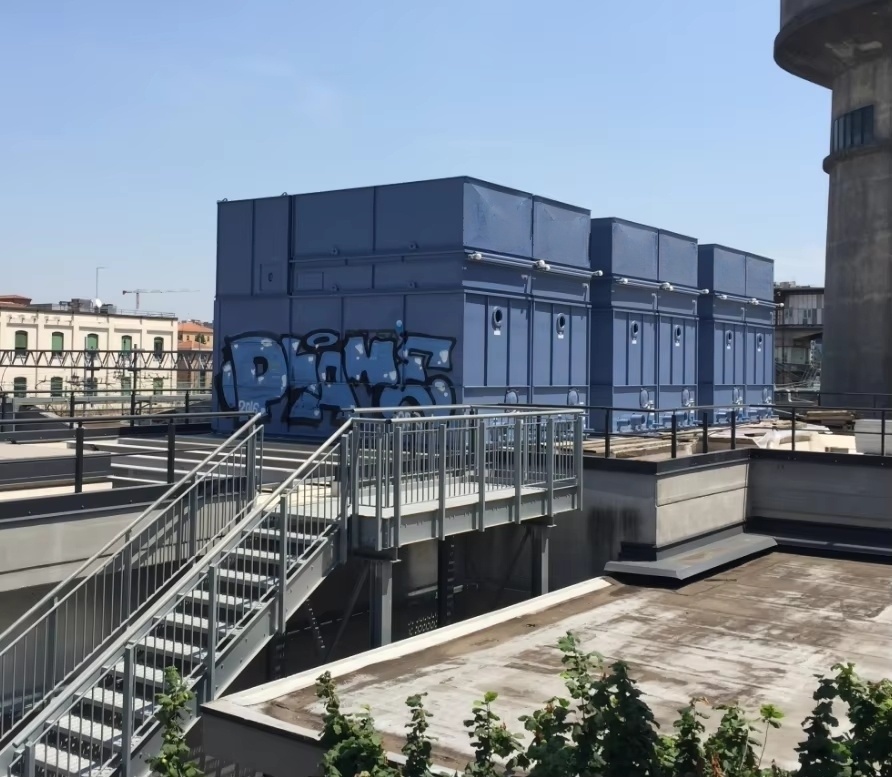
Introduction: What is a Packaged Rooftop Unit (RTU)?
A Packaged Rooftop Unit (RTU) is a widely used HVAC (Heating, Ventilation, and Air Conditioning) system designed for commercial buildings.. Installed on the roof, it integrates cooling, heating, and air circulation into a single, compact unit.. For modern applications, a vrf air conditioning system offers excellent efficiency and zone control. RTUs are commonly found in office buildings, shopping malls, schools, and other large commercial spaces.
RTU systems are designed to save valuable indoor space, offering an energy-efficient solution that provides reliable temperature control and airflow management, making them ideal for large-scale operations.
How Does an RTU Work?
The operation of a Packaged Rooftop Unit is straightforward but efficient. Here's a breakdown of how it works:
Air Intake
Outside air is drawn into the RTU through an intake vent. The air is filtered to remove dust, dirt, and other particulates, ensuring fresh, clean air enters the system.
Filtration and Conditioning
After filtration, the air enters the cooling or heating zone of the RTU. If cooling is required, the air passes over the evaporator coil, where the refrigerant absorbs the heat and lowers the air temperature. If heating is necessary, the air passes through heating elements such as electric heaters or a gas heater to raise its temperature.
Fan System
The conditioned air is then pushed by the fan system through ducts into the building’s interior. This ensures that all areas of the building are kept at a comfortable temperature.
Heat Exchange and Recirculation
The cooled or heated air is distributed throughout the building, while the indoor air is drawn back into the RTU for reconditioning, completing the cycle.
Main Components of an RTU
Several key components make up an RTU, each serving a specific purpose:
Compressor
The compressor is the heart of the RTU system, responsible for compressing the refrigerant to a high pressure, which increases its temperature, enabling the heat exchange process.
Condenser
The condenser cools the compressed gas, turning it back into a liquid form, which then flows into the evaporator for cooling purposes.
Evaporator
The evaporator is responsible for absorbing the heat from the incoming air, thus lowering its temperature before circulating it through the building.
Fan System
The fan system circulates the conditioned air throughout the building. This ensures that the air is evenly distributed, maintaining a consistent temperature.
Heating Elements
RTUs come with heating options such as electric heaters, heat pumps, or gas-powered heaters to provide warmth during colder months.
Filters and Airflow Control Devices
Filters remove particulate matter from the air, ensuring a high level of air quality, while airflow control devices adjust air pressure and volume to optimize the system’s performance.
Advantages and Applications of RTUs
RTUs offer many benefits and are suitable for a wide range of commercial applications:
Space Saving
Since RTUs are installed on the roof, they save valuable indoor space, which is essential for buildings with limited floor area.
Noise Reduction
By placing the unit on the roof, noise generated by the RTU system is kept away from the interior of the building, creating a quieter environment.
Enhanced Safety
RTUs are safer because they are placed on the roof, away from ground-level risks such as flooding or tampering.
Simplified Maintenance
With all components housed in one unit, maintenance and service are simplified. Technicians can easily access the RTU for regular checks and repairs.
Ideal for Large Commercial Buildings
RTUs are perfect for large commercial buildings, retail stores, schools, and warehouses where centralized climate control is needed for large spaces.
Installation and Maintenance Considerations for RTUs
Installation Requirements
Proper installation of an RTU requires a roof structure capable of supporting the weight of the unit. Additionally, the unit should be positioned in a location that ensures proper ventilation and easy access for maintenance.
Common Issues and Troubleshooting
Some common issues with RTUs include poor cooling, malfunctioning fans, or compressor failure. Troubleshooting often involves checking refrigerant levels, inspecting the electrical components, and assessing airflow through the system.
Maintenance Tips
Regular maintenance includes cleaning filters, inspecting refrigerant levels, and checking the fan and compressor. Timely maintenance ensures the system’s longevity and efficient operation.
Future Trends of RTUs
Energy Efficiency
With growing environmental concerns, RTUs are evolving to use more energy-efficient technologies. Newer models are designed to consume less energy while providing better performance.
Integration of Smart Control Systems
Future RTUs are expected to incorporate smart control systems that allow building managers to monitor and control the system remotely via smartphones or computers, improving operational efficiency.
Environmentally Friendly Refrigerants
As regulations become stricter, more RTUs are now using environmentally friendly refrigerants that comply with global environmental standards.
Conclusion: Why Choose TongXing’s RTU Systems
TongXing offers high-performance RTU systems that are designed to deliver efficient cooling and heating solutions. Our products are built to last, ensuring long-term, reliable service for your building’s HVAC needs.
If you're looking for an energy-efficient, cost-effective solution for your building, TongXing’s RTU systems are a perfect choice. We provide superior quality products and support, ensuring your system operates at peak performance.
For more information, please visit our website at www.tongxinghvac.com or contact us:
- WhatsApp/Tel: +86 19903816965
- Email: admin@tongxingac.com
Choose TongXing, where innovation meets reliability!
FAQ
What is the difference between a packaged rooftop unit (RTU) and a split system HVAC?
A packaged rooftop unit (RTU) is a self-contained system installed on the roof, containing all the essential components, including the compressor, condenser, and evaporator. A split system HVAC consists of two main parts: an indoor unit and an outdoor unit. RTUs are ideal for commercial applications, while split systems are commonly used in residential settings.
How long does a packaged rooftop unit last?
On average, an RTU lasts between 15 to 25 years, depending on maintenance and usage. Regular servicing can extend its lifespan.
Can I install an RTU myself?
It is recommended that RTUs be installed by a certified HVAC professional. Proper installation ensures the unit operates efficiently and safely.
What maintenance does an RTU require?
RTU maintenance includes cleaning filters, checking refrigerant levels, inspecting coils, and lubricating the fan and motor. Regular professional inspections are advised.
Are packaged rooftop units energy-efficient?
Yes, modern RTUs are designed to be energy-efficient. Many models incorporate high-efficiency components and environmentally friendly refrigerants, reducing energy consumption.
Can RTUs be used for both heating and cooling?
Yes, most RTUs can provide both cooling and heating, using electric heaters, heat pumps, or gas heaters for heating and refrigerants for cooling.
