
Central Air Conditioner Replacement Prices &Cost (2025 Guide)
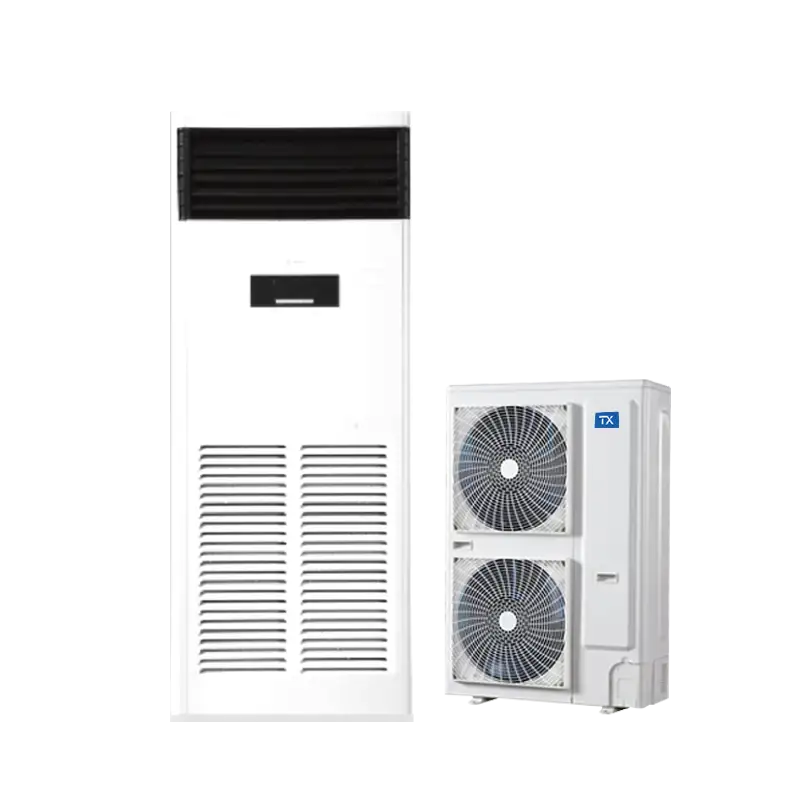
With a central air conditioning system being a major investment for your home, it's important to understand how much it costs to replace or install a new central AC and what factors influence the price. This guide breaks down everything you need to know about central air conditioner prices, replacement costs, and ways to save money, so you can make an informed decision and keep your home comfortable.. For modern applications, a vrf air conditioning system offers excellent efficiency and zone control.
Table of Contents
- Average Cost of a Central Air Conditioner Replacement
- Factors That Affect Central Air Conditioner Cost
- Signs You May Need to Replace Your Central AC
- Tips to Save Money on Central AC Replacement
- Getting a Professional Quote and Next Steps
- Frequently Asked Questions
Average Cost of a Central Air Conditioner Replacement in 2025
The average cost of installing a new central AC in 2025, including the unit and professional labor, is around $5,000 to $7,500 for a mid-sized (3-ton) unit in a 2,000 sq. ft. home. Costs vary widely depending on size, efficiency, brand, and installation complexity.
| Price Range | Description |
|---|---|
| $3,000 - $5,000 | Basic unit, small home, minimal installation work |
| $5,000 - $8,000 | Average-sized home, standard installation, minor upgrades |
| $8,000 - $15,000+ | Large home, high-efficiency system, extensive labor, ductwork |
Factors That Affect Central Air Conditioner Cost
Several key variables influence the price of a central air conditioning system. Understanding these factors will help you estimate costs more accurately and find opportunities to save.
1. Type of Air Conditioning System
- Central Split System: Most common; requires ducts; $3,000 - $10,000+
- Ductless Mini-Split: Good for homes without ducts; $3,000 - $17,000
- Heat Pump: Cools and heats; $4,000 - $12,000+
- Geothermal Heat Pump: Underground system; $12,000 - $30,000+
- Window/Portable AC: Not central; $150 - $800
2. Cooling Capacity (Size of AC Unit and Home)
AC size is measured in tons (BTU). Larger homes require higher capacity:
- 1 ton: 500-600 sq. ft. coverage
- 2-ton unit: 1,000-1,200 sq. ft., $2,950-$5,100 (unit only)
- 5-ton unit: 2,500-3,000 sq. ft., $5,250-$9,700 (unit only)
3. Energy Efficiency (SEER Rating)
Higher SEER means lower energy bills but higher upfront cost. Rebates may reduce net cost.
4. AC Technology and Features
- Compressor type: single-stage, two-stage, variable-speed
- Smart thermostats & controls
- Zoning systems
- Air quality add-ons (purifiers, UV lights, dehumidifiers)
- Noise reduction features
- Brand tier and build quality
5. Existing Ductwork and Home Infrastructure
Condition and presence of ducts, electrical upgrades, and furnace compatibility impact cost.
6. Installation Complexity and Labor
- Labor rates: $75 - $150+/hour per technician
- Home layout, retrofitting, permits, seasonality
- Quality of installation affects efficiency and lifespan
| Factor | Impact on Cost |
|---|---|
| System Type | Different AC types vary widely in price |
| Size/Capacity | Larger homes require higher capacity, higher cost |
| Energy Efficiency | Higher SEER costs more but reduces bills |
| Technology/Features | Smart controls, zoning, and air quality add-ons increase cost |
| Ductwork & Infrastructure | Repairs, upgrades, or new ducts can add thousands |
| Labor & Installation | Complex installation and seasonal factors influence price |
Signs You May Need to Replace Your Central AC
- Unit age 15-20+ years
- Frequent breakdowns or costly repairs
- Rising energy bills
- Uneven cooling or comfort issues
- Excessive noise or vibration
- Refrigerant phase-out (R-22)
- Health and safety concerns
Tips to Save Money on Central AC Replacement
Replacing a central AC is a significant investment, but you can reduce costs with smart planning:
- Shop for off-season deals: Installations in fall or winter may be cheaper due to lower demand.
- Look for rebates and tax credits: Check local and federal programs that can offset costs.
- Compare multiple quotes: Gather estimates from several licensed contractors to ensure competitive pricing.
- Consider repair vs. replacement: Minor repairs may be cheaper in the short term, but replacing an aging system could save money long-term.
- Right-size your system: Oversized units waste energy; undersized units run inefficiently. Proper sizing ensures optimal performance.
- Maintain your system: Regular maintenance prolongs lifespan and keeps efficiency high, saving on energy bills.
- Bundle projects: If you are upgrading ducts or electrical wiring, combine projects to reduce labor costs.
- Negotiate payment plans: Some contractors offer financing, seasonal discounts, or package deals—plan in advance to save.
- Energy-efficient upgrades: Installing smart thermostats, zoning, or variable-speed compressors can reduce operating costs over time.
- DIY prep work: Clearing the installation area, ensuring access, and moving furniture can reduce labor hours and cost.
Getting a Professional Quote and Next Steps
- Schedule a consultation with a licensed HVAC contractor.
- Expect a Manual J load calculation to size your system correctly.
- Discuss good, better, and best options based on budget and efficiency goals.
- Get a detailed written estimate before any work begins.
- Check credentials, licensing, and customer reviews.
- Avoid accepting quotes without proper inspection.
- Consider financing options and plan the installation date.
- Contact us for a professional consultation:
Whatsapp/Tel: +86 19903816965
Email: admin@tongxingac.com
Frequently Asked Questions about Central AC Prices
What is the average cost to replace a central air conditioner?
Typical total cost: $5,000 to $7,500 (mid-range 3-ton unit with existing ducts). Lower end: $3,000-$5,000, high end: $8,000-$15,000+, depending on size, efficiency, and labor.
Is it cheaper to install a central air conditioner in the winter?
Yes, off-season installations can be cheaper due to lower demand and flexible scheduling. Summer installs may incur premiums.
How long does a central AC unit last, and when should it be replaced?
Average lifespan: 15-20 years. Replace if frequent costly repairs, inefficiency, or age-related performance drops occur.
Should I replace my furnace at the same time as my air conditioner?
Depends on age and condition. Newer furnaces may not need replacement, but older units may benefit from a combined replacement for matched efficiency and possible cost savings.
