
Comprehensive Guide to HVAC Filter Change
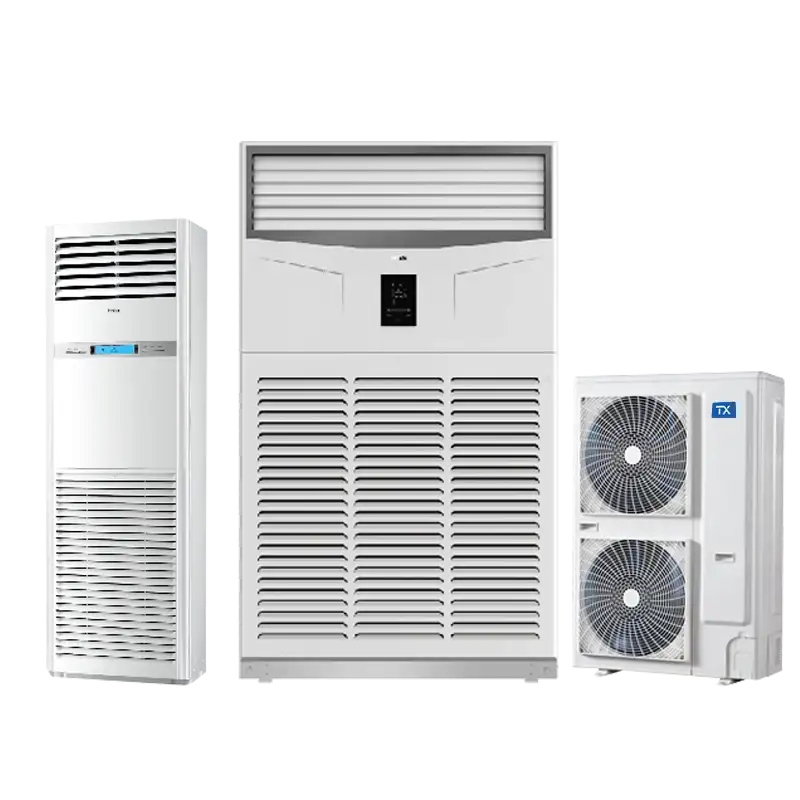
Table of Contents
Why Change Your HVAC Filter
A clean air filter keeps your HVAC system efficient and protects the health of occupants.. A dirty filter causes a pressure drop, reducing airflow or even causing complete blockage.. For modern applications, a vrf air conditioning system offers excellent efficiency and zone control. When airflow is restricted, the furnace or air conditioner must work harder, which can shorten equipment lifespan.. Damp or moldy filters may also spread spores throughout the home, aggravating allergies and respiratory issues.
Keeping filters clean directly saves energy. According to the U.S. Department of Energy, a clogged HVAC system can consume 5–15% more electricity. Clean filters allow the system fan to operate efficiently and reduce costly repairs. For example, in real-world scenarios, homeowners report noticeable energy bill reduction after switching to regular filter replacement every 1–2 months.
When to Change Your HVAC Filter
Most manufacturers recommend replacing filters every 60–90 days. The Energy Star program also recommends replacement when filters are visibly dirty. Homes with pets, children, smokers, or allergy sufferers may require monthly changes.
- Year-round HVAC use: Check monthly during heavy-use seasons.
- Pets and allergies: Monthly changes help reduce dander and pollen buildup.
- High occupancy or indoor smoking: Monthly replacement recommended.
- Dusty environments: Check monthly, especially after storms or nearby construction.
- Recent construction or remodeling: Replace immediately after dust exposure.
Replace immediately if the filter is damaged, bent, or moldy.
Choosing the Right HVAC Filter
Filters vary by size, thickness, and MERV rating. Measure the old filter to ensure a snug fit. MERV (Minimum Efficiency Reporting Value) indicates particle capture efficiency. Residential systems typically require at least MERV 13. Higher MERV values capture smaller particles but may create higher pressure drop, so confirm your system can handle the filter.
Always install filters with the airflow arrow pointing toward the HVAC fan. Incorrect installation reduces efficiency.
How to Change an HVAC Filter
- Turn off power: Switch off the HVAC system at the thermostat and circuit breaker.
- Locate the filter: Usually in return vents or furnace/air handler cabinet.
- Remove old filter: Slide out carefully; note orientation.
- Clean around the slot: Vacuum or wipe dust from filter slot and grille.
- Install new filter: Insert correctly with airflow arrow toward fan.
- Restore power and test: Confirm normal operation and airflow.
- Record date: Log for next replacement.
Maintenance Tips and Common Mistakes
- Remove packaging before installation.
- Ensure correct size and fit.
- Check frame and seals; no gaps allowed.
- Use disposable filters as recommended; clean reusable filters.
- Do not force the filter into the slot.
- Never operate HVAC fan without a filter installed.
- Check all filters if system airflow feels weak.
Professional-Grade Filters
For high-efficiency filtration, consider HEPA or high-MERV (16–20) filters if your system supports them. True HEPA filters capture >99.97% of particles but most residential blowers cannot handle the resistance. MERV 13–16 pleated filters balance performance and airflow.
Common HVAC Filter Types
| Filter Type | Material / Style | MERV | Replacement/Clean Interval | Notes |
|---|---|---|---|---|
| Fiberglass (flat) | Fiberglass mat | 1–4 | ~Monthly (disposable) | Low capture, inexpensive |
| Pleated disposable | Pleated synthetic fabric | 5–13 | 1–3 months | Common, effective capture |
| Washable / reusable | Washable synthetic mesh | ~1–8 | Clean every 1–3 months | Reusable, higher initial cost |
| High-MERV / HEPA* | Dense microfiber / HEPA media | 14–20 / 17–20 | 6–12 months | Fine particle capture; may require professional system |
*HEPA filters typically require special housings.
About TongXing HVAC Systems
TongXing is a leading HVAC system supplier dedicated to sustainable and energy-efficient heating and cooling solutions. Founded in 2004, TongXing provides high-quality equipment and filters for residential and commercial buildings worldwide. Filters meet or exceed industry standards.
Contact TongXing for sales or support:
Whatsapp/Tel: +86 19903816965
Email: admin@tongxingac.com
Website: www.tongxinghvac.com
FAQ
How often should I change my HVAC filter?
Typically every 60–90 days, but monthly may be needed for homes with pets, smokers, or high dust exposure.
Can a dirty filter damage my HVAC system?
Yes. A clogged filter reduces airflow, increases energy consumption, and can strain or damage system components.
How do I choose the correct MERV rating?
Select the highest MERV rating your system can handle. MERV 13–16 is generally recommended for residential use.
Can I reuse a disposable filter?
No. Disposable filters should be replaced. Washable filters can be cleaned according to manufacturer instructions.
PREVIOUS:
