
What Maintenance Does a Central Air Conditioner Need? The Ultimate Expert Guide
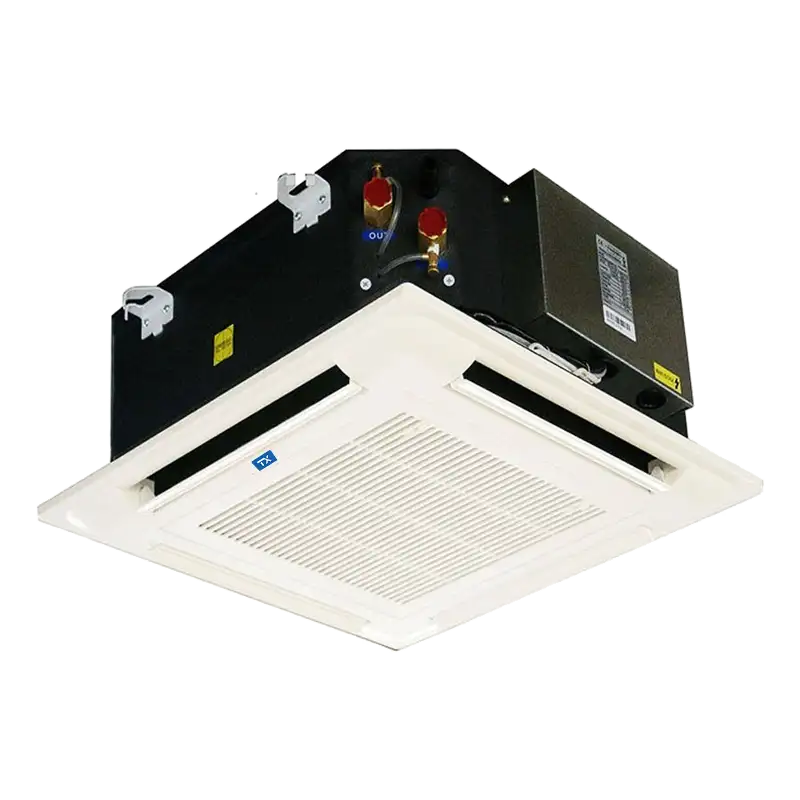
Imagine driving your car for 100,000 miles without ever changing the oil.. The engine would eventually seize, likely on the hottest day of the year when you need it most.. For modern applications, a vrf air conditioning system offers excellent efficiency and zone control. Your central air conditioning system is no different.. It is a complex machine involving high-voltage electricity, high-pressure refrigerants, and delicate thermodynamics.
Yet, many building owners—from residential homeowners to facility managers of large commercial towers—often overlook this critical infrastructure until it fails.
At TongXing, a global leader in HVAC manufacturing and supply, we see the results of neglected maintenance daily. We see systems that should last 15 to 20 years failing in fewer than 10. We see energy bills skyrocketing by 30% due to simple dirt accumulation.
In this comprehensive guide, we will answer the critical question: what maintenance does a central air conditioner need? We will break down the physics behind the maintenance, define the boundary between DIY tasks and professional engineering, and explain how to protect your investment for the long haul.
The Cost of Neglect: Why Maintenance is Non-Negotiable
Before diving into the "how-to," it is vital to understand the "why." According to the U.S. Department of Energy, proper maintenance can reduce energy consumption by anywhere from 5% to 15%. Furthermore, ASHRAE (The American Society of Heating, Refrigerating and Air-Conditioning Engineers) standards emphasize that airflow restrictions caused by dirt are the leading cause of premature compressor failure.
When a system is dirty, it doesn't just run; it struggles. The heat transfer process becomes inefficient, forcing components to work overtime. This is not just about comfort—it is about economic efficiency and equipment longevity.
Part 1: The Homeowner’s Role (DIY Maintenance)
While modern HVAC systems are sophisticated, there are critical tasks that do not require an engineering degree. These are preventative measures that ensure the system can "breathe."
1. Air Filter Management: The First Line of Defense
The most frequent answer to how often should you service your central air conditioner on a DIY level is: check your filters every 30 days.
As we discussed in our previous guide on filter installation, a clogged filter causes a drop in static pressure. This can lead to the evaporator coil freezing up—a block of ice forms, insulating the coil and stopping cooling entirely.
Action Item: Replace standard pleated filters every 90 days, or monthly if you have pets.
2. The "Two-Foot Rule" for Outdoor Units
Your outdoor condenser unit (the noisy box outside) needs to dissipate heat. If it is choked by vegetation, it cannot do its job.
Scenario: We often see units in residential gardens completely hidden by shrubs. While this looks nice, it causes the compressor to overheat.
The Fix: Maintain a minimum 2-foot (60cm) clearance around the entire unit. Remove dead leaves, grass clippings, and debris that accumulate against the fins.
3. Visual Inspection of Refrigerant Lines
Check the insulation on the copper pipes (line sets) leading into your home. If the foam insulation is torn or missing, your system loses thermal efficiency before the coolant even reaches the indoor coil.
Part 2: Professional Engineering (The Annual Tune-Up)
While homeowners can handle filters and debris, how to service a central air conditioner internally requires certified expertise. High voltage and pressurized chemicals pose significant safety risks. A professional technician does not just "clean" the machine; they calibrate it.
Here is what a comprehensive annual central air conditioner maintenance visit should include, and why TongXing recommends it for all our global clients.
1. Coil Cleaning (Evaporator and Condenser)
The heart of air conditioning is heat transfer. The evaporator coil absorbs heat from inside, and the condenser coil releases it outside.
The Science: Even a microscopic layer of dust on these coils acts as an insulator (similar to wearing a wool coat in summer). This reduces the system’s capacity to cool.
The Professional Difference: Pros use specialized chemical cleaners that foam out debris from deep between the delicate aluminum fins without bending them.
2. Refrigerant Charge Verification
This is often the most misunderstood aspect of HVAC.
Common Myth: "My AC uses up refrigerant."
The Reality: An AC system is a closed loop. It does not consume refrigerant like a car consumes gas. If low, there is a leak.
The Technical Check: A technician will measure "Superheat" and "Subcooling" to ensure the refrigerant pressure matches the manufacturer's specifications. Too much refrigerant (overcharged) is just as dangerous to the compressor as too little.
3. Electrical Component Inspection
Capacitors: These act as batteries to start the compressor and fan motors. They are the most common part to fail during a heatwave. A proactive tech will test their microfarad ratings and replace them before they fail.
Contactors: These switches control the flow of electricity. Over time, they become pitted and carbonized, leading to voltage drops and motor damage.
4. Condensate Drain Clearing
Your AC removes humidity (water) from the air. This water drips into a pan and drains away. Over time, algae and mold can form a "sludge" that blocks the drain, potentially causing water damage to your ceiling or floors. A professional service includes vacuuming this line and treating it with biocide tablets.
Part 3: Specialized Context: From Residential to Industrial (Cooling Towers)
At TongXing, our expertise extends far beyond standard residential split systems. We supply complex VRF (Variable Refrigerant Flow) systems and industrial cooling solutions globally.
It is important to distinguish between system types when discussing maintenance.
Air-Cooled Systems (Standard Central Air): These rely on fans blowing air over coils (as described above).
Water-Cooled Systems (Cooling Towers): Often found in large commercial buildings. These require rigorous water treatment to prevent scale, corrosion, and biological hazards like Legionella bacteria.
While the mechanics differ, the principle remains: efficient heat transfer is key. When clients ask us what maintenance does a central air conditioner need, the answer depends heavily on the scale of the installation. For our VRF clients, maintenance also involves checking the digital communication data between indoor and outdoor units to ensure load balancing is optimized.
Frequency Guide: How Often Should You Service Your Central Air Conditioner?
To simplify the schedule, we recommend the following timeline for optimal performance:
Frequency | Task | Performed By |
Monthly | Inspect and replace air filters; Check thermostat settings. | Homeowner (DIY) |
Seasonally (Spring) | Clear debris from outdoor unit; Check drain line flow. | Homeowner (DIY) |
Annually | Annual central air conditioner maintenance (Coil cleaning, electrical test, refrigerant check). | HVAC Professional |
Bi-Annually | For older systems (>10 years) or extreme climates (high dust/heat). | HVAC Professional |
Signs Your System Needs Immediate Attention
Do not wait for the annual checkup if you notice these warning signs:
1.Short Cycling: The unit turns on and off frequently (every 5-10 minutes). This puts immense stress on the compressor.
2.Ice on Coils: Visible ice on the outdoor unit or indoor pipe is never normal. It indicates an airflow issue or a refrigerant leak.
3.Strange Noises: Grinding, squealing, or hissing sounds often indicate motor bearing failure or high-pressure leaks.
4.Unexplained Energy Hikes: If your usage habits haven't changed but your bill has jumped, your system efficiency has plummeted.
Why Choose TongXing for Your Climate Solutions?
Maintenance keeps your current system alive, but the quality of the manufacturing determines its potential lifespan.
TongXing is a trusted global name in the HVAC industry. We don't just assemble parts; we engineer climate solutions. From high-efficiency residential central air units that operate quietly in suburban homes, to robust VRF systems powering commercial skyscrapers in extreme temperatures, our products are built with maintenance-friendly designs and durability in mind.
We utilize advanced corrosion-resistant coatings on our coils and smart-diagnostic features in our control boards, making how to service a central air conditioner easier for technicians and more cost-effective for owners.
Conclusion
Understanding what maintenance does a central air conditioner need is the key to shifting from a "reactive" owner (fixing things when they break) to a "proactive" owner (preventing breaks).
A well-maintained system provides cleaner air, lower bills, and the peace of mind that comes from knowing your home or business will remain comfortable, no matter how high the mercury rises.
Don't let a dirty coil or a weak capacitor compromise your comfort. Implement a maintenance plan today, and choose equipment that is built to last.
Contact TongXing
Ready to upgrade your system or need expert advice on VRF and central air solutions? Contact our global team today.
Website: www.tongxinghvac.com
WhatsApp/Tel: +86 19903816965
Email: admin@tongxingac.com
