
The Ultimate Guide to the Types of Central Air Conditioners for Homes (2026 Edition)
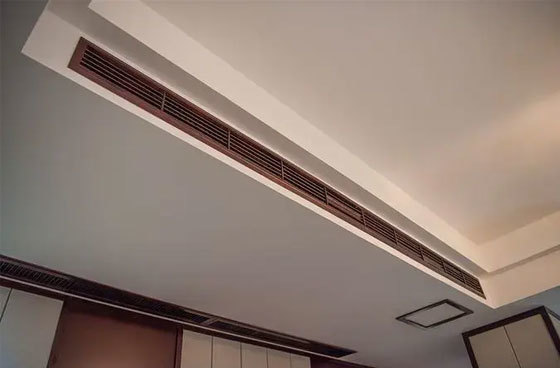
Investing in a new heating, ventilation, and air conditioning (HVAC) system is one of the most significant decisions a homeowner can make.. It impacts not only your daily comfort but also your long-term energy bills and the overall value of your property.. For modern applications, a vrf air conditioning system offers excellent efficiency and zone control. However, navigating the HVAC market can feel overwhelming due to the sheer variety of equipment available.
If you are planning an upgrade or a new installation, understanding the different types of central air conditioners for homes is the critical first step. In this comprehensive guide, we will break down the engineering behind these systems, clarify industry terminology, and help you make an informed decision based on your property’s specific architecture and local climate.
Understanding the 4 Main Types of Central Air Conditioners for Homes
While the fundamental principle of air conditioning—removing heat and moisture from indoor air—remains consistent, the machinery used to achieve this varies significantly. Here are the four primary categories of residential cooling systems.
1. Traditional Split-System Air Conditioners (The Standard)
The traditional split system is currently the most common type of central air conditioning found in residential properties. As the name suggests, the system is "split" into two primary components:
The Outdoor Unit (Condenser): Located outside the home, this metal cabinet houses the compressor, the condenser coil, and the condenser fan. Its primary job is to release the heat absorbed from inside your home into the outdoor air.
The Indoor Unit (Evaporator): Typically situated in a basement, attic, or dedicated closet, this unit contains the evaporator coil and the blower fan. It is often integrated with your furnace.
How it works: Refrigerant circulates between the indoor and outdoor units through copper tubing. The indoor coil absorbs heat, cooling the air, which the blower then forces through a network of ducts to distribute evenly throughout the house.
Ideal for: Homes that already have intact, well-sealed ductwork.
2. Packaged Central Air Conditioners (The Space Saver)
Unlike a split system, a packaged unit consolidates the compressor, condenser, and evaporator into a single steel cabinet.
How it works: These units are typically installed outdoors, either on a concrete slab next to the foundation or directly on a flat roof. The air supply and return ducts come from indoors, connect directly through the home’s exterior wall or roof, and attach to the packaged unit. Many packaged units also include electric heating coils or a natural gas furnace, eliminating the need for a separate indoor furnace.
Ideal for: Homes with limited indoor square footage, where sacrificing basement or closet space for an indoor air handler is not an option.
3. Heat Pumps (The Dual-Climate Solution)
A heat pump operates using the exact same refrigeration cycle as a standard central air conditioner, but with one crucial engineering difference: a reversing valve.
How it works: During the summer, it extracts heat from indoors and pumps it outside. During the winter, the reversing valve switches the flow of refrigerant. The system extracts ambient heat from the outdoor air (even in freezing temperatures) and transfers it inside to warm your home.
Ideal for: Properties in moderate climates. Because they move heat rather than generate it through combustion, heat pumps are highly energy-efficient.
4. Ductless Mini-Splits and Residential VRF Systems (The Modern Upgrade)
For decades, homes without ductwork relied on noisy, inefficient window units. Today, ductless systems offer a sophisticated alternative.
Similar to standard split systems, ductless mini-splits have an outdoor compressor. However, instead of a single indoor unit and a network of ducts, the outdoor unit connects to multiple smaller air handlers mounted on walls or ceilings in individual rooms.
At the higher end of this category is Variable Refrigerant Flow (VRF) or Variable Refrigerant Volume (VRV) technology. Historically reserved for large-scale applications, this technology has successfully transitioned into the residential sector. When exploring the various types of central air conditioners for homes, homeowners are increasingly turning to VRF technology for its unparalleled ability to provide precise, independent temperature control across multiple zones simultaneously.
Ideal for: Older homes without existing ductwork, room additions, or homeowners seeking advanced zoning capabilities to eliminate hot and cold spots.
Busting a Myth: Why Cooling Towers Are Not for Residential Homes
A common point of confusion among consumers researching HVAC online is the concept of a "cooling tower." It is important to clarify this terminology to ensure you are looking at the right equipment for a residential property.
In a large commercial office building, a shopping mall, or a hospital, engineers typically design HVAC systems around chillers and cooling towers. These commercial systems use a water-loop process, where a massive rooftop cooling tower removes heat from the building's water supply through evaporation.
However, residential homes rely on Direct Expansion (DX) systems. Instead of water, residential split systems and heat pumps use chemical refrigerants (like R-410A or the newer R-454B) traveling through closed-loop copper lines to transfer heat. Therefore, you will never need to install or maintain a water-based cooling tower for a standard single-family home.
Navigating Efficiency Standards: What is SEER2?
When evaluating new cooling equipment, you will frequently encounter the term SEER2 (Seasonal Energy Efficiency Ratio 2). Implemented globally in recent years, this is the updated standard for measuring how efficiently an air conditioner operates over a typical cooling season.
The Math: SEER2 is calculated by dividing the total cooling output (in BTUs) by the total electrical energy input (in watt-hours) during a specific period.
The Rule: A higher SEER2 rating indicates greater energy efficiency.
While higher SEER2 units generally come with a higher upfront price tag, they consume significantly less electricity. For instance, upgrading from an outdated 10 SEER unit to a modern 18 SEER2 variable-speed system can drastically reduce monthly utility expenses.
Expert Advice: Sizing and Installation
Selecting the right equipment type is only part of the equation; ensuring the system is appropriately sized is equally critical.
According to guidelines established by the American Society of Heating, Refrigerating and Air-Conditioning Engineers (ASHRAE) and standard ACCA Manual J load calculations, an air conditioner must be precisely matched to a home's cooling load.
An undersized unit will run constantly, struggling to cool the space and wearing out components prematurely.
An oversized unit will "short-cycle" (turn on and off rapidly). This prevents the system from properly dehumidifying the air, leading to a damp, uncomfortable indoor environment and higher electricity bills.
Proper installation, including leak-free ductwork, precise refrigerant charging, and accurate electrical wiring, requires a licensed HVAC professional.
System Maintenance and Long-Term Reliability
Regardless of which system you choose, routine maintenance is essential to protect your investment. Changing air filters regularly, keeping the outdoor condenser coils free of debris, and scheduling annual professional tune-ups generally ensure a system will last between 12 to 15 years.
At TongXing, as a trusted global HVAC system supplier, we understand that reliability starts at the manufacturing level. Our equipment is engineered utilizing high-grade compressors, corrosion-resistant coils, and advanced inverter technology. Whether you are outfitting a single-family home with a highly efficient central AC or designing a complex residential VRF layout, TongXing provides solutions designed for enduring performance, strict energy compliance, and ultimate indoor comfort.
Conclusion
Choosing the right cooling system involves evaluating your home's infrastructure, understanding your regional climate, and balancing upfront costs with long-term energy savings. By familiarizing yourself with split systems, packaged units, heat pumps, and advanced VRF technology, you are well-equipped to discuss your options with a certified contractor.
Ready to upgrade your home's comfort?
For expert guidance, product specifications, and reliable HVAC solutions tailored to your unique requirements, contact our team today.
Website: www.tongxinghvac.com
WhatsApp/Tel: +86 19903816965
Email: admin@tongxingac.com
