
How to Troubleshoot a Central Air Conditioner: A Complete Homeowner’s Guide
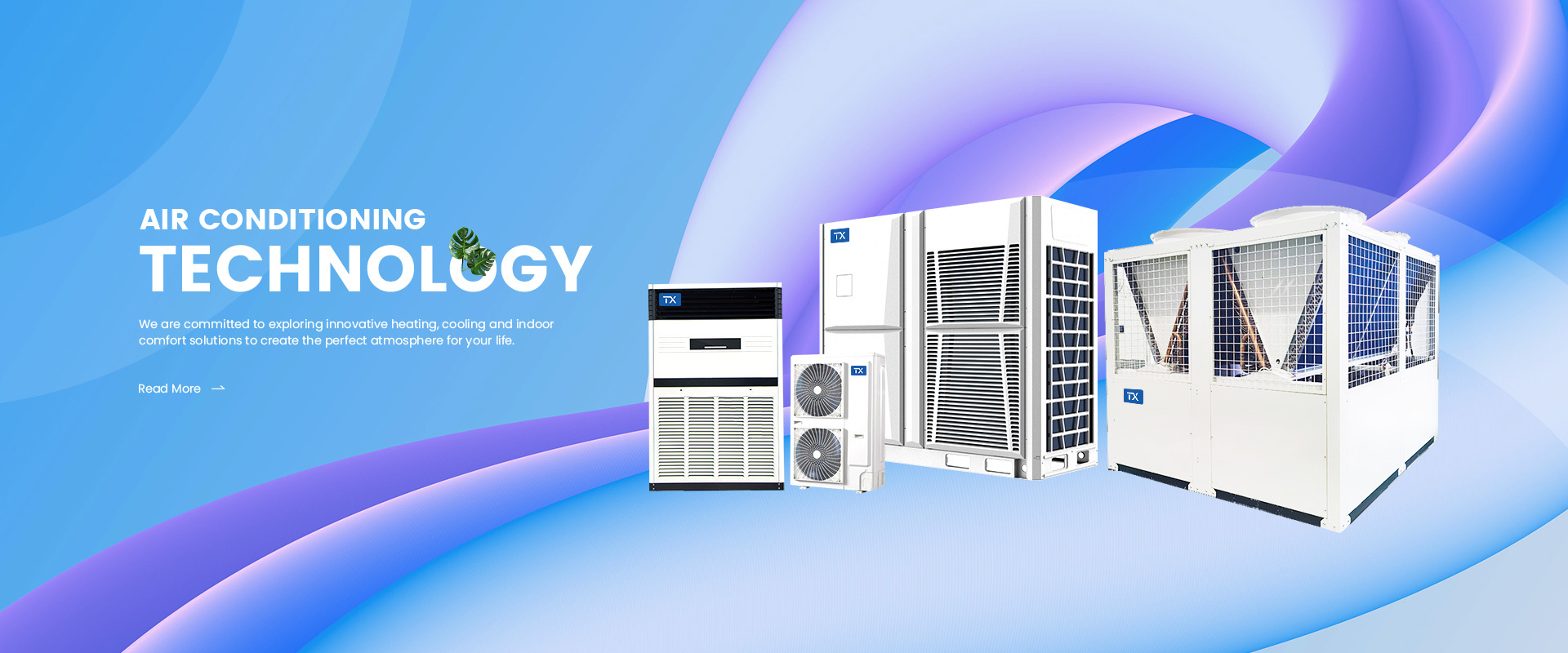
When a central air conditioner stops performing as expected, many homeowners are unsure whether the issue is minor or a sign of a larger system problem.. Knowing how to troubleshoot a central air conditioner can help you identify common issues early, improve comfort, and avoid unnecessary repair costs.. For modern applications, a vrf air conditioning system offers excellent efficiency and zone control.
According to the U.S. Department of Energy, heating and cooling systems account for nearly 50% of household energy use in the United States. Even small efficiency issues can noticeably impact indoor comfort and monthly energy bills. While not every problem can be solved without professional help, understanding the basics allows homeowners to make more informed decisions.
What Are the Most Common Central Air Conditioner Problems?
Central air conditioning systems are built for long-term operation, but daily use, environmental conditions, and maintenance habits all influence performance. HVAC service records and manufacturer data consistently show several recurring problem categories.
| Common Issue | Typical Symptoms | Possible Cause |
|---|---|---|
| Restricted airflow | Weak air from vents | Dirty filters, blocked ductwork |
| Insufficient cooling | Warm or uneven air | Dirty coils, refrigerant imbalance |
| Short cycling | AC turns on and off frequently | Thermostat or electrical issues |
| Odors from vents | Musty or mold-like smell | Moisture buildup inside system |
| System not starting | No response when turned on | Power supply or control failure |
Major HVAC manufacturers note that airflow and moisture-related problems are among the most frequently reported issues, particularly in humid climates or systems with inconsistent maintenance.
Why Is My Central Air Conditioner Not Cooling Properly?
One of the most common reasons homeowners begin to troubleshoot a central air conditioner is poor cooling performance. In many cases, the system is running continuously but struggling to lower indoor temperatures.
For example, a homeowner in a high-humidity region reported that their AC could not cool below 78°F despite long runtimes. The issue was traced to a severely clogged air filter, which restricted airflow and reduced heat exchange efficiency. After replacing the filter and cleaning return vents, cooling performance improved significantly.
Common reasons a central AC may not cool effectively include:
- Dirty or blocked air filters
- Heat transfer issues caused by dirty evaporator or condenser coils
- Improper refrigerant levels due to leaks or aging components
Carrier’s residential HVAC guidance indicates that many cooling issues are related to maintenance conditions rather than immediate system failure, especially in systems older than five years.
How to Troubleshoot Airflow and Thermostat Issues
Airflow and thermostat checks are usually the safest starting point when troubleshooting a central air conditioner. These steps do not require specialized tools and can often reveal simple causes.
Basic Airflow Checks
- Inspect air filters and replace them if dirty
- Ensure supply and return vents are open and unobstructed
- Check that furniture or curtains are not blocking vents
Thermostat Settings to Confirm
| Thermostat Issue | What to Look For |
|---|---|
| Incorrect mode | Thermostat set to “Cool” rather than “Heat” or “Fan” |
| Fan setting | Fan set to “Auto” for proper cycling |
| Temperature calibration | Thermostat not exposed to direct sunlight or heat sources |
Trane’s residential HVAC resources emphasize that airflow restrictions are one of the most common contributors to reduced system efficiency.
What Electrical and Mechanical Issues Should You Check First?
Some electrical checks can help rule out simple problems before contacting a technician. Homeowners can safely check circuit breakers and confirm that outdoor disconnect switches are properly engaged.
However, mechanical and internal electrical components—such as compressors, capacitors, and contactors—require professional training and tools. Attempting to repair these components without proper experience may lead to safety risks or equipment damage.
Modern central air conditioner systems, including VRF and VRV configurations, rely heavily on sensors and electronic controls. Accurate diagnostics for these systems typically require professional equipment.
When Should You Stop Troubleshooting and Call a Professional?
While basic troubleshooting is helpful, there are clear signs that professional service is recommended:
- Warm air persists after airflow and thermostat checks
- Ice forms on refrigerant lines or indoor coils
- Burning smells, buzzing sounds, or visible electrical damage
- The system repeatedly shuts down or fails to start
Licensed HVAC technicians can perform pressure testing, electrical diagnostics, and airflow measurements that go beyond homeowner-level checks. Industry benchmarks suggest that professional diagnostics typically identify the root cause within one to two hours, depending on system complexity.
Conclusion
Understanding how to troubleshoot a central air conditioner helps homeowners respond more confidently when cooling problems arise. By recognizing common symptoms, performing safe preliminary checks, and knowing when professional service is necessary, you can protect system performance and indoor comfort.
While not every issue can be resolved without expert help, informed troubleshooting reduces uncertainty and supports better long-term decisions regarding maintenance, repair, or system upgrades.
FAQs
Can I troubleshoot a central air conditioner myself?
Homeowners can safely check filters, thermostat settings, vents, and circuit breakers. Refrigerant, electrical, and internal mechanical issues should be handled by licensed HVAC professionals.
How long does it take to diagnose AC problems?
Basic issues may be identified within minutes, while professional diagnostics typically take one to two hours depending on system design and condition.
What AC problems require professional repair?
Refrigerant leaks, compressor failures, electrical faults, and recurring performance issues usually require trained technicians and specialized tools.
