
15 Essential Questions to Ask When Buying a Central Air Conditioner (Expert Guide 2026)
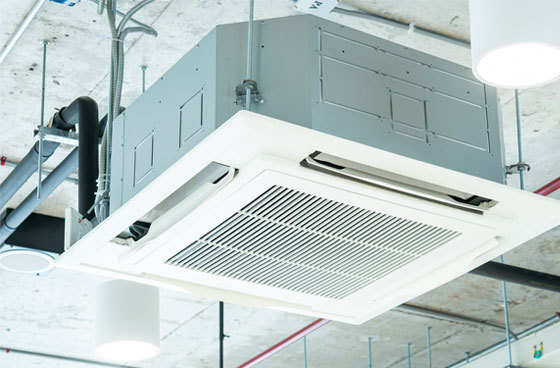
Buying a central air conditioner is not just a purchase—it’s a long-term investment that affects your comfort, energy bills, and indoor air quality for the next 10–15 years.
Yet many homeowners and facility managers make costly mistakes simply because they don’t knowwhat to know before buying a central air conditioner. Consider a vrf air conditioning system for enhanced performance.
In this expert guide, we’ll walk you through the most important questions to ask when buying and installing central air conditioner systems, explain what good answers look like, and help you make a confident, informed decision.
Before You Start: What to Know Before Buying a Central Air Conditioner
Before asking contractors anything, you need a basic understanding of your own cooling needs.
In real-world projects—such as a mid-sized commercial office building in a hot and humid climate—we often see systems underperform not because of poor equipment, but because of incorrect planning.
Key factors to evaluate:
Climate zone (hot, humid, dry, or mixed)
Building size and layout
Insulation quality and window performance
Existing ductwork condition
Occupancy patterns
According to ASHRAE (American Society of Heating, Refrigerating and Air-Conditioning Engineers), proper system design must be based on detailed load calculations—not rough estimates. This is critical for both comfort and energy efficiency.
15 Questions to Ask When Buying a Central Air Conditioner
Below are the most important common questions about buying central air conditioner systems, grouped by decision stage.
Part 1: System Design & Sizing (Most Critical)
1. What size AC unit do I really need?
A properly sized system ensures efficiency and comfort.
Good answer: Based on load calculation (BTU/tonnage)
Red flag: “We’ll replace it with the same size” or “based on square footage only”
Oversized units cycle too frequently. Undersized units run constantly.
2. Will you perform a Manual J load calculation?
Manual J is the industry-standard method for sizing HVAC systems.
Includes:
Heat gain/loss
Insulation levels
Window orientation
Without it, system performance is guesswork
3. How will my ductwork affect performance?
Even the best AC system can fail with poor duct design.
Ask about:
Air leakage
Duct sizing
Airflow balance
In many retrofit projects, upgrading ductwork improves efficiency more than replacing the unit itself.
Part 2: Energy Efficiency & Performance
4. What SEER rating is ideal for my climate?
SEER (Seasonal Energy Efficiency Ratio) measures efficiency.
Higher SEER = lower energy consumption
But ROI depends on usage and climate
5. Is this system ENERGY STAR certified?
ENERGY STAR systems meet strict efficiency standards set by the U.S. EPA.
Typically reduce energy use by 10–15%
May qualify for rebates
6. What will my monthly energy cost look like?
Ask for a realistic estimate based on:
Local electricity rates
System efficiency
Usage patterns
A professional contractor should provide a range—not a fixed number.
Part 3: System Type & Technology
7. Is central AC the best option for my home or building?
Alternatives include:
Heat pumps
VRF/VRV systems
Ductless mini-splits
For example, in a multi-zone commercial building, a VRF system often offers better flexibility and energy savings.
Learn more about advanced systems here:
questions to ask when buying central air conditioner
8. Should I consider a heat pump instead?
Heat pumps provide both heating and cooling.
Ideal for moderate climates
Increasingly popular due to electrification trends
9. Does the system support smart controls?
Modern systems integrate with:
Smart thermostats
Building management systems (BMS)
Remote monitoring
These features improve efficiency and user comfort.
Part 4: Installation & Contractor Quality
10. Are you licensed, insured, and certified?
This ensures compliance with local regulations and safety standards.
11. Will you obtain permits and inspections?
Professional contractors handle:
Permits
Code compliance
Final inspections
Skipping this step can lead to legal and safety issues.
12. What installation process do you follow?
Ask for a step-by-step explanation.
A high-quality installation typically includes:
Load calculation
Duct inspection
Refrigerant charging
System testing
According to industry data, improper installation can reduce system efficiency by up to 30%.
Part 5: Cost, Warranty & Maintenance
13. What is the total cost (including hidden fees)?
Ensure clarity on:
Equipment cost
Labor
Duct modifications
Electrical upgrades
14. What does the warranty actually cover?
Look for:
Compressor warranty (often 5–10 years)
Parts coverage
Labor warranty (often limited)
15. What maintenance will be required annually?
Regular maintenance includes:
Filter replacement
Coil cleaning
Refrigerant checks
In large-scale applications—such as industrial facilities—predictive maintenance can significantly extend system lifespan.
Common Mistakes When Buying a Central Air Conditioner
Even with the right questions, buyers often make these mistakes:
Choosing based on price alone
Low upfront cost may lead to higher long-term energy expenses.
Ignoring installation quality
A mid-range system with proper installation often outperforms a premium system installed poorly.
Incorrect sizing
This is one of the most common and costly errors.
FAQ: Common Questions About Buying Central Air Conditioner
How long does a central air conditioner last?
Typically 10–15 years, depending on maintenance and usage.
What SEER rating do I need?
Warm climates: 16+ SEER recommended
Moderate climates: 14–16 SEER
Is it better to repair or replace?
If repair costs exceed 30–50% of replacement cost, replacement is usually more economical.
Conclusion
Understanding the questions to ask when buying and installing central air conditioner systems can save you thousands of dollars and years of discomfort.
The key takeaway:
A well-designed and properly installed system will always outperform a poorly planned one—regardless of brand.
By asking the right questions, evaluating answers critically, and working with experienced professionals, you can ensure your investment delivers long-term comfort and efficiency.
Contact Us
If you are planning a central air conditioning project or need expert guidance, TongXing is here to help.
Website: www.tongxinghvac.com
WhatsApp/Tel: +86 19903816965
Email: admin@tongxingac.com
PREVIOUS:
