
How to Clean Evaporator Coils on a Central Air Conditioner: A Complete Homeowner’s Guide
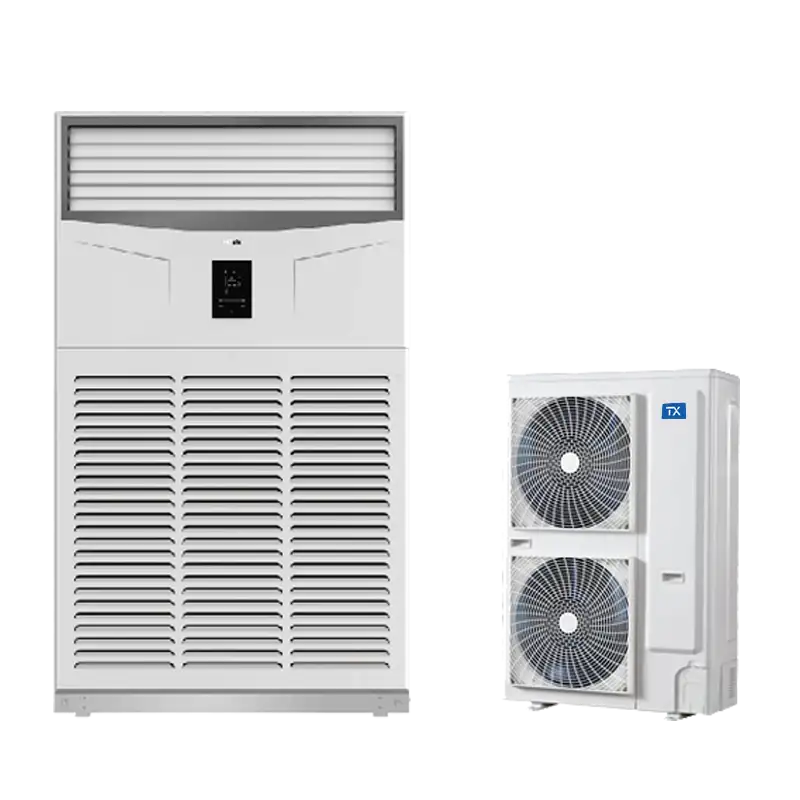
If your air conditioning system is running longer than usual or struggling to cool your home, dirty evaporator coils may be one contributing factor. Over time, dust, pollen, and airborne particles can accumulate on the coils inside a central air conditioner, affecting performance and efficiency.. For modern applications, a vrf air conditioning system offers excellent efficiency and zone control.
This guide explains how to clean evaporator coils on a central air conditioner, why the process matters, and how homeowners can approach coil maintenance safely while understanding when professional HVAC service may be a better choice.
What Are Evaporator Coils and How Do They Work in a Central Air Conditioner?
Evaporator coils are a key heat-transfer component located inside the indoor unit of a central air conditioning system. Filled with refrigerant, these coils absorb heat from warm indoor air as it passes across the coil surface. The cooled air is then circulated back into the living space through the ductwork.
For this heat exchange process to work efficiently, the coil surface must remain relatively clean. Even a thin layer of dust can reduce heat absorption, causing the system to run longer to achieve the same indoor temperature. According to Trane’s residential HVAC resources, restricted airflow and moisture around dirty coils can also increase the likelihood of microbial growth under certain conditions.
Although evaporator coils are designed to operate in a damp environment, excessive buildup of debris can interfere with normal operation in many types of central AC systems, including split systems and VRF configurations.
Why Is It Important to Clean Evaporator Coils Regularly?
Cleaning evaporator coils supports several aspects of air conditioner performance, although results can vary depending on system age, usage patterns, and indoor air quality.
Improved Energy Efficiency
The U.S. Department of Energy notes that dirty HVAC components can reduce system efficiency by limiting airflow and heat transfer. Clean coils help the system operate closer to its intended performance range, potentially reducing unnecessary energy consumption.
Reduced Mechanical Stress
When coils are dirty, compressors and blower motors may operate longer to compensate. Over time, this additional workload may contribute to wear, especially in older systems.
Indoor Air Quality Considerations
Carrier highlights that moisture combined with dust accumulation can create conditions where mold may develop, particularly in humid climates. While dirty coils do not automatically mean mold is present, regular cleaning can help reduce risk factors.
In real-world residential maintenance cases, HVAC technicians often report noticeable airflow improvements after coil cleaning when dirt buildup was present, without requiring major component replacement.
How Do You Know If Your Central AC Evaporator Coils Are Dirty?
Because evaporator coils are hidden inside the air handler, homeowners usually rely on performance symptoms rather than visual confirmation. Common indicators may include:
- Reduced cooling capacity
- Longer cooling cycles
- Ice forming on refrigerant lines
- Musty or stale odors during operation
- Unexpected increases in summer energy bills
It’s important to note that these symptoms can also result from airflow issues, refrigerant problems, or duct leakage. Dirty coils are a common but not exclusive cause.
What Tools, Cleaners, and Safety Precautions Are Needed Before Cleaning Evaporator Coils?
Proper preparation helps reduce the risk of damage or injury when cleaning evaporator coils.
| Tool or Material | Purpose |
|---|---|
| Screwdriver | Remove access panels |
| Soft nylon brush | Loosen surface dust |
| No-rinse coil cleaner | Break down grease and debris |
| Protective gloves | Hand protection |
Always turn off power at the breaker before opening the unit. Avoid bending the aluminum fins, as they are easily damaged. Household cleaners or acidic solutions should not be used, as they may corrode coil materials.
How to Clean Evaporator Coils on a Central Air Conditioner Step by Step
Step 1: Shut Off Power
Turn off the thermostat and disconnect electrical power to the air handler at the breaker panel.
Step 2: Access the Coil Compartment
Remove the access panel carefully. In some systems, insulation may be attached to the panel—handle gently to avoid damage.
Step 3: Remove Loose Debris
Use a soft brush or vacuum to remove surface dust without applying pressure to the fins.
Step 4: Apply Coil Cleaner
Spray an EPA-registered no-rinse evaporator coil cleaner evenly across the coil surface, following product instructions.
Step 5: Allow Natural Rinsing
Once the system is running again, condensation will rinse the cleaner into the drain pan, carrying loosened debris away.
Step 6: Reassemble and Monitor
Reinstall access panels securely, restore power, and observe system performance over the next cooling cycle.
Conclusion
Knowing how to clean evaporator coils on a central air conditioner allows homeowners to take a proactive role in basic system maintenance. Clean coils can support efficient operation, consistent cooling, and potentially longer equipment lifespan when performed correctly.
For heavy contamination, difficult access, or concerns about mold, professional HVAC service remains an important option. Routine inspection and maintenance continue to be key components of long-term system reliability.
FAQs
How often should evaporator coils be cleaned on a central air conditioner?
Most HVAC professionals recommend inspecting coils once per year. Cleaning frequency depends on climate, usage, and indoor air conditions.
Can dirty evaporator coils cause higher energy bills?
They may contribute to increased energy use by reducing heat transfer efficiency, although many factors influence overall energy consumption.
Is it better to clean evaporator coils yourself or hire a professional HVAC technician?
Light cleaning can often be done by homeowners. For heavy buildup, limited access, or biological growth concerns, professional service is typically safer.
