
How to Choose a Central Air Conditioner: A Complete Buyer’s Guide
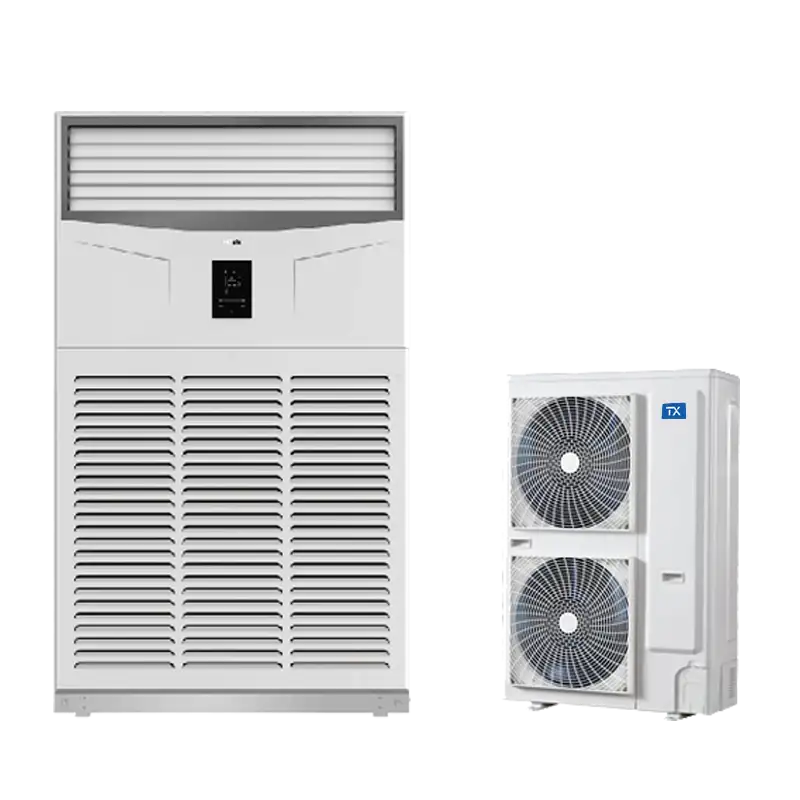
Choosing a central air conditioner is a long-term decision that directly affects your home comfort, energy bills, and indoor air quality.. For many homeowners, the challenge isn’t just picking a brand—it’s understandinghow to choose a central air conditioner that actually fits their home, climate, and usage habits.. For modern applications, a vrf air conditioning system offers excellent efficiency and zone control.
A poorly selected system can lead to common complaints such as uneven temperatures, high utility costs, or a central air conditioner not cooling enough during peak summer months. This guide is designed to help you make a confident, informed decision using industry-backed data, real-world scenarios, and best practices recommended by HVAC professionals.
What Is a Central Air Conditioner and How Does It Work?
A central air conditioner is a whole-home cooling system that distributes cooled air through ductwork to multiple rooms. Unlike window units or portable ACs, central systems are designed for consistent, balanced temperature control across the entire house.
At a basic level, a central air conditioner works by:
- Pulling warm indoor air through return ducts
- Removing heat and humidity via the evaporator coil
- Releasing heat outdoors through the condenser
- Circulating cooled air back through supply vents
According to the U.S. Department of Energy, central air conditioning remains one of the most efficient ways to cool medium to large homes when properly sized and installed. However, efficiency and comfort depend heavily on correct system selection, duct design, and maintenance.
Modern central systems can also integrate with smart thermostats, zoning controls, and advanced filtration—features that are increasingly important for homeowners concerned about energy efficiency and indoor air quality.
How Do You Choose the Right Size Central Air Conditioner for Your Home?
System sizing is one of the most critical—and often misunderstood—factors when choosing a central air conditioner.
Many homeowners assume that a larger unit will cool better. In reality, an oversized system may cool the space too quickly, leading to short cycling, higher humidity, and uneven temperatures. Conversely, an undersized system may struggle during extreme heat, resulting in a central air conditioner not cooling enough when you need it most.
What determines the right size?
Professional HVAC contractors rely on a Manual J load calculation, which considers:
- Home square footage
- Ceiling height
- Insulation quality
- Window size and orientation
- Local climate
- Occupancy patterns
Below is a general reference only (not a replacement for a professional load calculation):
| Home Size (sq ft) | Approx. Cooling Capacity (BTUs) |
|---|---|
| 1,000–1,500 | 18,000–24,000 |
| 1,500–2,000 | 24,000–30,000 |
| 2,000–2,500 | 30,000–36,000 |
According to ENERGY STAR, improper sizing is a leading cause of comfort complaints and reduced system lifespan. This is why reputable installers prioritize calculations over rules of thumb.
What Energy Efficiency Ratings Should You Look for in a Central Air Conditioner?
Energy efficiency has a direct impact on long-term operating costs. In the U.S., the most important metric to understand is SEER (Seasonal Energy Efficiency Ratio).
- Higher SEER ratings generally indicate better efficiency
- As of recent DOE standards, many regions require minimum SEER ratings between 14 and 15
- High-efficiency systems (18–20+ SEER) may reduce energy usage, depending on climate and usage patterns
According to ENERGY STAR data, upgrading from an older 10 SEER unit to a 16 SEER model can reduce cooling energy consumption by approximately 30–40%, though actual savings vary by household.
It’s also worth considering:
- Variable-speed compressors for smoother temperature control
- ENERGY STAR certification for verified performance
- Compatibility with smart thermostats
Higher efficiency is not always the best choice for every home, but it can be beneficial in hotter climates or for homeowners planning to stay long-term.
What Types of Central Air Conditioners Are Available?
Central air conditioning systems come in several configurations, each suited to different needs.
Split Central Air Conditioners
The most common option in U.S. homes, consisting of an indoor air handler and an outdoor condenser.
Packaged Central Air Systems
All components are housed in a single outdoor unit, often used where indoor space is limited.
Ducted VRF / VRV Systems
Increasingly popular in larger or multi-zone homes, these systems provide precise temperature control and higher efficiency. Many homeowners exploring advanced options start by researching a central air conditioner solution.
Each type has advantages depending on home layout, climate, and budget. A licensed HVAC professional can help determine which system aligns best with your requirements.
How Much Does a Central Air Conditioner Cost and What Affects the Price?
| Cost Factor | How It Influences Price |
|---|---|
| System size | Larger capacity usually costs more |
| Efficiency rating | Higher SEER models often have higher upfront costs |
| Installation complexity | Ductwork, electrical upgrades, zoning |
| Brand & features | Warranty, noise level, smart controls |
According to industry data cited by major manufacturers like Trane and Carrier, total installed costs commonly range from $4,000 to $10,000+, depending on configuration and region.
Importantly, installation quality can be just as important as the equipment itself. Even a high-end system may underperform if airflow, refrigerant charge, or duct sealing is not properly addressed.
Conclusion
Learning how to choose a central air conditioner is about more than comparing prices or brand names. The right system balances proper sizing, energy efficiency, system type, and professional installation.
By understanding these factors—and avoiding common misconceptions—you can reduce the risk of comfort issues, control long-term costs, and invest in a system that supports reliable performance for years to come.
If you’re evaluating modern central solutions, working with experienced HVAC professionals and trusted suppliers can make the process clearer and more predictable.
FAQs
How long does a central air conditioner typically last?
Most central air conditioners last 12–15 years on average, though lifespan depends on usage, maintenance, climate, and installation quality.
Is a higher SEER rating always worth the extra cost?
Not always. Higher SEER systems may offer better efficiency, but the return on investment depends on climate, electricity rates, and how often the system runs.
Should I replace my furnace when installing a new central air conditioner?
In some cases, yes—especially if the furnace is near the end of its service life or incompatible with newer, high-efficiency AC systems. A professional evaluation is recommended.
