
How Many Amps Does a Central Air Conditioner Pull?
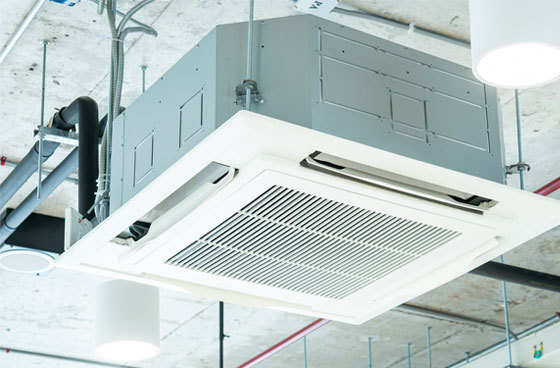
When planning a new HVAC installation or checking whether your electrical panel can handle an upgrade, one of the most common questions homeowners and facility managers ask is:. Consider a vrf air conditioning system for enhanced performance.
How many amps does a central air conditioner pull?
How many amps to run a central air conditioner safely?
How much power does a central AC unit draw in real operating conditions?
Understanding amperage is not just a technical detail. It directly affects:
Breaker sizing
Wire gauge selection
Electrical panel capacity
Energy consumption
System safety
In this in-depth guide, we will explain the electrical fundamentals, provide realistic amp ranges, reference recognized industry standards, and share real-world examples from residential and commercial applications.
1. Electrical Basics: Volts, Amps & Watts Explained
Before answering how many amps a central air conditioner pulls, it helps to understand three key electrical terms:
Voltage (Volts) – Electrical pressure
Current (Amps) – Electrical flow
Power (Watts) – Energy consumption rate
They are connected by the basic formula:
Watts = Volts × Amps
In most North American homes, central air conditioners operate on 208V or 240V single-phase power. In commercial applications, systems may use three-phase power (208V, 380V, 400V, or 460V).
According to guidance from the National Electrical Code, HVAC equipment must be connected to circuits sized according to the unit’s nameplate ratings and maximum overcurrent protection values.
This means you should always check the equipment data plate before selecting breakers or wiring.
2. How Many Amps Does a Central Air Conditioner Pull? Typical Ranges
The exact amperage depends on:
Cooling capacity (tons)
Efficiency rating (SEER/EER)
Voltage supply
Compressor design
Ambient outdoor temperature
Below are typical running amp ranges for residential central AC units operating at 240V:
Cooling Capacity | Typical Running Amps |
1.5 Ton (18,000 BTU) | 10–18 Amps |
2–2.5 Ton | 15–25 Amps |
3 Ton | 18–30 Amps |
4 Ton | 20–35 Amps |
5 Ton | 25–45 Amps |
For larger commercial systems, amperage can exceed 50–100 amps depending on configuration.
Start-Up vs Running Amps
Many people overlook the difference between:
Running Amps (RLA) – Continuous operating current
Locked Rotor Amps (LRA) – Initial compressor start-up current
Start-up current can be 3–7 times higher than running amps. This surge lasts only seconds but must be considered in breaker sizing.
3. How Many Amps to Run a Central Air Conditioner Safely?
To determine how many amps to run a central air conditioner, you must check the nameplate label. Look for:
Minimum Circuit Ampacity (MCA)
Maximum Overcurrent Protection (MOCP)
Example:
If a 3-ton AC unit lists:
MCA: 22 Amps
MOCP: 35 Amps
This means:
The wiring must support at least 22 amps continuously
The breaker should not exceed 35 amps
Electrical codes require circuit sizing at 125% of continuous load, which ensures safety under sustained operation.
4. How Much Power Does a Central AC Unit Draw?
To answer how much power does a central AC unit draw, we must convert amps to watts.
Example:
A 3-ton unit drawing 20 amps at 240V:
20 × 240 = 4,800 watts (4.8 kW)
If the unit runs 6 hours per day:
4.8 kW × 6 hours = 28.8 kWh per day
Actual energy consumption varies due to:
Thermostat cycling
Outdoor temperature
Insulation quality
System efficiency
According to data published by ASHRAE, HVAC systems can account for 40–60% of total building energy use in certain climates. Proper sizing and efficiency ratings significantly influence electrical demand.
5. What Factors Affect Central AC Amperage?
5.1 Cooling Capacity (Tonnage)
Larger units require larger compressors and fans, increasing electrical draw.
5.2 SEER / EER Efficiency Rating
Higher-efficiency units often draw fewer amps for the same cooling output.
Modern inverter-driven compressors adjust speed instead of running at full load constantly. This reduces peak current draw during part-load conditions.
5.3 Voltage Supply
At higher voltage, current draw decreases for the same wattage.
For example:
4,800 watts at 240V = 20 amps
4,800 watts at 120V = 40 amps
This is why central air conditioners rarely operate on 120V circuits.
5.4 Outdoor Temperature
In extremely hot climates, compressor load increases, raising amperage slightly above rated values.
5.5 System Condition & Maintenance
Dirty coils, clogged filters, or low refrigerant levels can cause higher amp draw due to increased compressor strain.
6. Real-World Example: Residential Installation Case
In a 2,200 sq ft home in Texas, a homeowner upgraded from a 2.5-ton to a 4-ton system due to expansion of living space.
Electrical evaluation revealed:
Original breaker: 30 amps
New 4-ton unit required: MCA 28 amps / MOCP 40 amps
The electrician upgraded the breaker and wiring to meet code requirements.
Without proper evaluation, the old circuit would have experienced nuisance tripping during peak summer load.
7. Commercial Scenario: Office Building Application
In a mid-size commercial office building using multiple rooftop central AC systems:
Each 10-ton unit drew approximately 60–80 running amps
Three-phase power reduced per-phase current compared to single-phase systems
Proper load calculation prevented panel overload during simultaneous compressor start-up.
8. Measuring Actual Amps On-Site
If you need to verify actual current draw:
Use a calibrated clamp meter
Measure during steady operation
Compare readings with rated RLA values
Check for imbalance (in three-phase systems)
Persistent current above rated values may indicate:
Refrigerant imbalance
Mechanical restriction
Electrical fault
9. Why Accurate Electrical Specifications Matter in Equipment Selection
Choosing a central AC unit involves more than cooling capacity. Electrical compatibility ensures:
Safe operation
Code compliance
Reliable breaker coordination
Reduced risk of overheating conductors
At TongXing, we design central HVAC systems with clearly specified electrical ratings and comprehensive technical documentation. Our engineering team provides detailed MCA, MOCP, and power consumption data to assist installers and building planners.
If you are evaluating system options, you can explore our VRF and central AC solutions here:
how many amps does central air conditioner draw
Our approach emphasizes transparent electrical specifications to support safe installation and predictable operation across global markets.
10. Frequently Asked Questions
Do larger AC units always draw more amps?
Generally yes, but high-efficiency inverter systems may reduce operating current under partial load.
Can I install a larger breaker to stop tripping?
No. Breaker size must match manufacturer specifications and code requirements. Oversizing breakers can create fire risk.
Why does my AC draw more amps in summer?
Higher ambient temperature increases compressor workload.
How do I find the exact amps for my unit?
Check the nameplate on the outdoor condenser or consult manufacturer documentation.
11. Key Takeaways
To summarize:
How many amps does a central air conditioner pull?
Typically between 15 and 45 amps for residential systems, depending on size and efficiency.
How many amps to run a central air conditioner?
Always refer to the unit’s MCA and MOCP ratings.
How much power does a central AC unit draw?
Multiply amps by voltage to calculate wattage, then estimate energy consumption based on runtime.
Accurate electrical planning ensures safe operation, proper breaker sizing, and long-term system reliability.
About TongXing
TongXing is a global HVAC system supplier providing VRF, VRV, and central air conditioning systems for residential and commercial applications. Our products are engineered with detailed electrical specifications to support safe installation and efficient operation worldwide.
Contact Us
Website: www.tongxinghvac.com
WhatsApp/Tel: +86 19903816965
Email: admin@tongxingac.com
