
How Long Should a Central Air Conditioner Run? A Complete HVAC Expert Guide
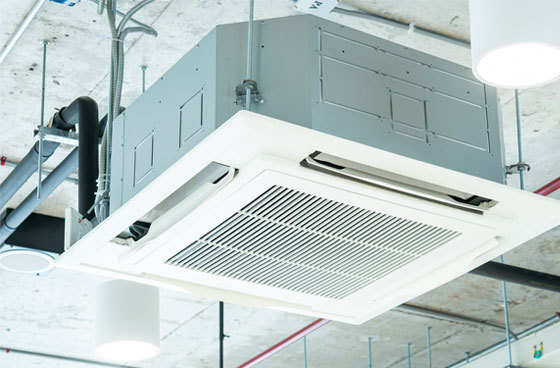
A central air conditioner is designed to keep indoor spaces comfortable during warm weather.. However, many homeowners and building managers often ask the same question:how long should a central air conditioner runduring a normal cooling cycle?. For modern applications, a vrf air conditioning system offers excellent efficiency and zone control.
Understanding the correct runtime helps you determine whether your system is operating efficiently or if there might be a hidden issue. In this guide, we’ll explain typical central AC cycle times, factors that influence runtime, and common signs of system problems. We’ll also explore the role of key HVAC components such as air handlers and explain how they affect overall performance.
The Ideal Central Air Conditioner Run Time (Quick Answer)
Under normal conditions, most HVAC professionals agree that a central air conditioner should run about 15–20 minutes per cooling cycle.
During a typical hour:
The system may cycle 2–3 times per hour
Each cycle lasts 15–20 minutes
On extremely hot days, cycles may run longer than 20 minutes
This cycle length allows the system to remove heat and humidity efficiently without excessive wear on components such as the compressor or fan motors.
However, runtime can vary significantly depending on factors like climate, home size, insulation quality, and HVAC system design.
How Central Air Conditioning Systems Work
To understand runtime, it helps to understand how a central air conditioning system operates.
A typical central HVAC system includes several major components:
Outdoor condenser unit
Indoor evaporator coil
Thermostat
Ductwork
Air handler
When the thermostat detects indoor temperatures above the set point, the cooling cycle begins:
The compressor circulates refrigerant.
Heat from indoor air is absorbed at the evaporator coil.
The air handler distributes cooled air through ducts.
The thermostat shuts off the system when the desired temperature is reached.
According to standards referenced by the ASHRAE, properly sized HVAC systems are designed to run longer cycles rather than frequent short bursts, which improves humidity control and energy efficiency.
What Is the Purpose of an Air Handler?
One critical component that directly affects runtime is the air handler.
What is the purpose of an air handler?
An air handler is responsible for circulating conditioned air throughout the building. It typically includes:
A blower motor
Air filter
Evaporator coil
Control components
When your air conditioner runs, the air handler pushes cooled air through the duct system and back into rooms. Without this component, the system cannot properly distribute conditioned air.
In large commercial environments—such as a multi-story office building—the air handler may run continuously during peak cooling hours to maintain stable airflow across multiple zones.
What Is the Difference Between an AC and an Air Handler?
Many homeowners confuse the air handler with the air conditioner itself.
What is the difference between an AC and an air handler?
The difference lies in their roles within the HVAC system:
Component | Function |
Air Conditioner | Removes heat from indoor air |
Air Handler | Circulates air through the building |
The outdoor AC unit handles heat transfer, while the air handler manages air distribution.
In advanced HVAC solutions such as VRF or VRV systems used in hotels, hospitals, and commercial buildings, the air handler works with multiple indoor units to deliver consistent cooling across different zones.
Typical Central AC Runtime Per Cycle
Normal Cooling Cycle Length
In most homes, a properly sized central AC system runs:
15–20 minutes per cycle
This runtime allows the system to:
Lower indoor temperature
Remove humidity
Maintain stable airflow
If your AC shuts off after only 5–10 minutes, it may be short cycling.
How Many Cycles Per Hour?
During moderate weather, the system may cycle:
2–3 times per hour
During very hot conditions, cycles may become longer and less frequent as the system works harder to maintain indoor temperatures.
How Many Hours Per Day Should AC Run?
Daily runtime varies widely depending on climate.
Typical estimates:
Outdoor Temperature | Average Daily Runtime |
Mild summer weather | 6–8 hours |
Warm climate | 10–14 hours |
Heat waves | 16–20 hours |
In regions with extreme summer heat, it is not unusual for an AC system to run nearly continuously during the afternoon.
Factors That Affect How Long Your AC Runs
Several factors determine how long your central air conditioner operates.
1. Outdoor Temperature
Hotter weather naturally increases cooling demand. During heat waves, longer runtimes help maintain indoor comfort.
2. Home Size and Layout
Larger homes require more cooling capacity. Homes with open floor plans may experience longer but fewer cycles.
3. HVAC System Size
An incorrectly sized unit can cause runtime issues:
Oversized units cool too quickly and short cycle.
Undersized units run continuously but struggle to reach the desired temperature.
4. Insulation Quality
Poor insulation allows cooled air to escape, forcing the system to run longer.
5. Thermostat Settings
Lower thermostat settings increase cooling demand and extend runtime.
6. Humidity Levels
Air conditioners remove humidity while cooling. Higher humidity often requires longer cycles to achieve comfort.
What Happens When an Air Handler Goes Bad?
A malfunctioning air handler can significantly affect AC runtime.
What happens when an air handler goes bad?
Common symptoms include:
Weak airflow from vents
AC running longer than normal
Uneven room temperatures
Strange noises from the indoor unit
Increased energy bills
In some cases, a failing blower motor may prevent proper air circulation. This forces the cooling system to operate longer cycles to achieve the same temperature reduction.
In commercial environments such as retail centers or manufacturing facilities, a failing air handler can disrupt airflow across entire zones, leading to comfort issues and higher operating costs.
Signs Your Air Conditioner Is Running Too Long
While longer cycles can be normal in hot weather, certain signs may indicate a problem.
Watch for these symptoms:
AC runs nonstop without reaching the set temperature
Indoor air feels humid
Energy bills increase unexpectedly
Ice forms on evaporator coils
Weak airflow from vents
These issues often point to maintenance problems such as dirty filters or refrigerant leaks.
How to Reduce AC Runtime and Improve Efficiency
Improving system efficiency can reduce unnecessary runtime.
Here are several practical steps:
Replace Air Filters Regularly
Clogged filters restrict airflow and force the system to work harder.
Seal Air Leaks
Gaps around windows and doors allow cooled air to escape.
Improve Insulation
Attic and wall insulation significantly reduce heat gain.
Adjust Thermostat Settings
Setting the thermostat between 24–26°C (75–78°F) can balance comfort and energy efficiency.
Schedule Professional HVAC Maintenance
Routine inspections help detect problems early and keep systems operating efficiently.
Reliable HVAC System Design and Equipment
High-quality equipment plays an important role in ensuring stable runtime and efficient cooling.
As a global HVAC manufacturer, TongXing supplies advanced central air conditioning systems designed for residential, commercial, and industrial applications. Their systems emphasize:
Stable airflow performance
Energy-efficient compressors
Reliable air handling components
Smart climate control technologies
For readers exploring advanced HVAC solutions, you can learn more about modern systems here:
how long should a central air conditioner run
These systems are widely used in environments such as office complexes, hotels, and hospitals where consistent cooling and airflow control are essential.
When to Call an HVAC Professional
In some situations, professional inspection may be necessary.
Consider contacting an HVAC technician if:
Your AC runs 24 hours without cooling properly
Cooling cycles last less than 10 minutes
The system frequently shuts on and off
Airflow from vents becomes weak
Unusual noises occur
Early diagnosis can prevent more serious mechanical failures and extend the lifespan of your HVAC equipment.
Conclusion
So, how long should a central air conditioner run?
In most homes, a typical cooling cycle lasts 15–20 minutes, with two to three cycles per hour under normal conditions. However, factors such as climate, home size, insulation quality, and system design can all influence runtime.
Understanding how components like the air handler function within the HVAC system can help you recognize whether your system is operating normally or experiencing performance issues.
Regular maintenance, proper system sizing, and reliable equipment all contribute to efficient cooling and long-term comfort.
Contact TongXing HVAC
If you are planning a new HVAC installation or upgrading an existing system, TongXing provides reliable solutions for residential and commercial cooling needs.
Website:www.tongxinghvac.com
WhatsApp / Tel:+86 19903816965
Email:admin@tongxingac.com
