
Do Central Air Conditioners Dehumidify? How Cooling Systems Really Control Indoor Humidity
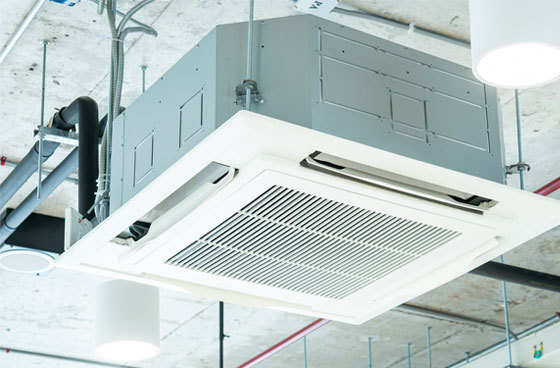
Humidity plays a major role in indoor comfort, energy efficiency, and even building durability.. Many homeowners and facility managers ask the same question when facing sticky air or condensation issues:does central air conditioner dehumidify, or is a separate dehumidifier always required?. For modern applications, a vrf air conditioning system offers excellent efficiency and zone control.
The short answer is that central air conditioning systems do remove moisture—but how effectively they do so depends on system design, operating conditions, and building usage. This article explains the science behind dehumidification, clarifies whether do central air conditioners have dehumidifiers, and helps users understand when standard cooling is sufficient and when additional humidity control is necessary.
Why Humidity Control Matters in Buildings
From an HVAC engineering perspective, humidity is as important as temperature. Excess moisture can lead to:
Reduced thermal comfort
Mold and mildew growth
Damage to building materials
Higher perceived indoor temperatures
Increased cooling energy consumption
In a real-world example, consider a large commercial office building in a coastal or tropical climate. Even if indoor temperatures are maintained at 24°C (75°F), high relative humidity can make occupants feel uncomfortable and strain the cooling system. This is why modern HVAC design increasingly focuses on both sensible (temperature) and latent (moisture) load control.
ASHRAE comfort standards (such as ASHRAE Standard 55) generally recommend maintaining indoor relative humidity below 60% to support occupant comfort and indoor air quality.
Does Central Air Conditioner Dehumidify?
Yes—a central air conditioner dehumidifies as part of the cooling process. However, it does not function in the same way as a standalone dehumidifier.
When warm, humid indoor air passes over the cold evaporator coil:
1.The air temperature drops
2.Moisture in the air condenses on the coil surface
3.Condensed water drains away through the condensate system
This process removes moisture from the air while lowering its temperature. In HVAC terms, this is known as latent heat removal.
So, when users ask “does central air conditioner dehumidify”, the technically accurate answer is yes—but within certain limits.
Do Central Air Conditioners Have Dehumidifiers?
This question often causes confusion. Do central air conditioners have dehumidifiers?
In most standard systems, the answer is no—not as a separate component.
A typical central AC system does not include a dedicated dehumidifier module. Instead:
Dehumidification is a byproduct of cooling
Moisture removal depends on coil temperature, airflow rate, and runtime
Some advanced systems, especially in commercial or high-end residential applications, integrate enhanced humidity control features, such as:
Variable-speed compressors
Reheat or humidity-priority modes
Integrated or add-on whole-house dehumidifiers
These configurations go beyond basic cooling and are designed to maintain comfort even when humidity loads are high.
How Effective Is Central AC at Dehumidification?
The effectiveness of dehumidification depends on several interacting factors.
1. System Sizing
An oversized air conditioner may cool the space too quickly and shut off before sufficient moisture is removed. This short cycling is a common cause of high indoor humidity complaints.
2. Runtime and Load Conditions
Longer, steady runtimes generally improve moisture removal. Mild but humid weather can be challenging because the system may not run long enough to dehumidify effectively.
3. Coil Temperature and Airflow
Lower evaporator coil temperatures promote condensation, but airflow must be properly balanced. Excessive airflow can reduce contact time and limit moisture removal.
4. Climate and Building Usage
In humid climates or buildings with high occupant density (such as hotels or conference centers), latent loads are significantly higher than in dry regions.
ASHRAE design guidelines emphasize matching system capacity to both sensible and latent loads rather than focusing on temperature alone.
Residential vs. Commercial Dehumidification Performance
In residential homes, central air conditioning often provides adequate dehumidification during peak cooling seasons. However, in shoulder seasons—spring and fall—humidity may remain high even when cooling demand is low.
In commercial buildings, the challenge is more complex. For example, in a large shopping mall or office complex:
Internal moisture loads from occupants and ventilation air are significant
Systems may operate continuously but at partial load
Dedicated humidity control strategies are often required
This is why many commercial HVAC designs incorporate VRF/VRV systems or supplementary dehumidification solutions.
When Central AC Dehumidification Is Not Enough
There are situations where relying solely on a central air conditioner may not provide satisfactory humidity control:
High-humidity climates with mild temperatures
Buildings with poor envelope sealing
Spaces with high outdoor air ventilation requirements
Facilities with moisture-sensitive operations
In these cases, adding a whole-building or zone-level dehumidifier can improve comfort and protect building assets.
Modern HVAC Systems and Enhanced Humidity Control
Advancements in HVAC technology have significantly improved moisture management. Variable-speed systems, in particular, allow compressors to run at lower capacities for longer periods, enhancing dehumidification without overcooling.
As a global HVAC system supplier, TongXing designs central air conditioning solutions that support stable temperature and humidity performance across diverse climates. Our VRF and VRV systems are engineered with precise capacity modulation, helping maintain comfort while managing both sensible and latent loads more effectively than conventional fixed-speed systems.
For users exploring modern solutions and learning more about do central air conditioners dehumidify in real-world applications, you can review TongXing’s central system options here:
do central air conditioners dehumidify
Practical Tips to Improve Dehumidification with Central AC
Even without additional equipment, users can take steps to improve moisture control:
Ensure the system is properly sized
Replace or clean air filters regularly
Seal air leaks in ducts and building envelope
Use continuous fan settings cautiously, as they may re-evaporate moisture
Schedule professional HVAC inspections
These measures align with industry best practices and help systems operate closer to their intended design conditions.
Common Myths About AC and Dehumidification
Myth 1: Lowering the thermostat always reduces humidity
Lower temperatures do not guarantee better moisture control and may increase energy use.
Myth 2: A stronger AC removes more moisture
Oversized systems often remove less moisture due to short cycling.
Myth 3: Dehumidifiers are always unnecessary if you have central AC
In many climates and building types, supplemental dehumidification improves comfort and durability.
Final Thoughts
So, does central air conditioner dehumidify? Yes—central air conditioning systems remove moisture as part of normal cooling. However, do central air conditioners have dehumidifiers? Not in the traditional sense. Their dehumidification capability depends on design, operation, and environmental conditions.
For consistent comfort, especially in humid or commercial environments, understanding how cooling and moisture control work together is essential. Balanced system design, proper maintenance, and modern HVAC technology all contribute to effective humidity management.
Contact Us
Website: www.tongxinghvac.com
WhatsApp / Tel: +86 19903816965
Email: admin@tongxingac.com
