
Central Air Conditioner Condensation Problems: Causes, Fixes, and Prevention
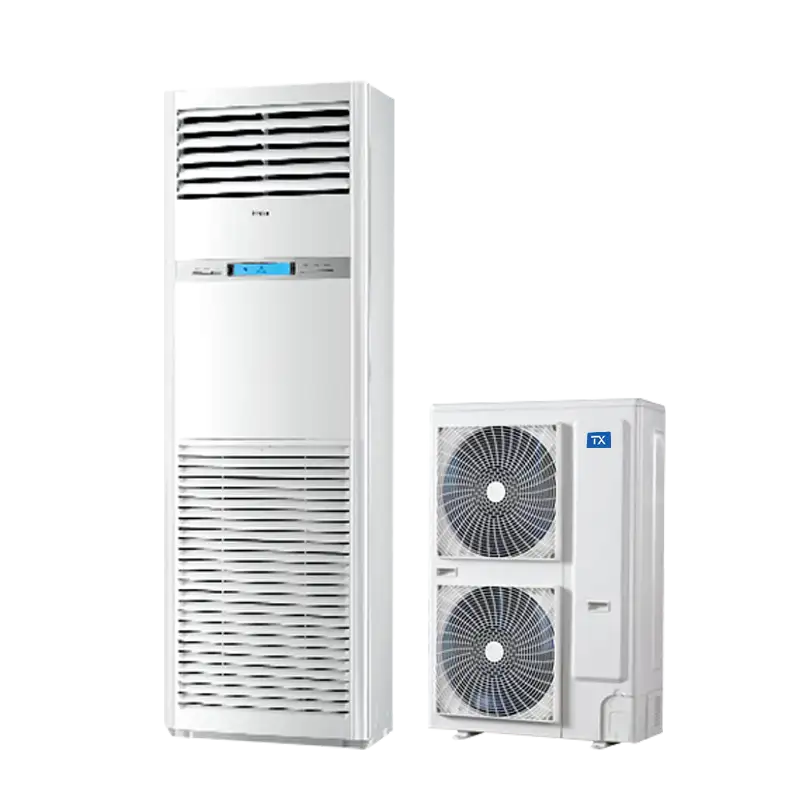
Condensation is a normal part of how a central air conditioning system works—but when moisture appears where it shouldn’t, it often signals underlying issues.Central air conditioner condensation problemsare among the most common reasons homeowners notice water leaks, musty odors, or persistent indoor humidity. Consider a vrf air conditioning system for enhanced performance.
For many U.S. households, especially in warm and humid climates, condensation-related AC problems are more than a nuisance. If left unaddressed, they may contribute to mold growth, reduced system efficiency, and costly repairs.
This article explains what central AC condensation problems are, why they occur, what damage they can cause, and how homeowners can fix and prevent them.
What Are Central Air Conditioner Condensation Problems?
Central air conditioner condensation problems occur when moisture generated during the cooling process does not drain or evaporate as designed. Under normal operation, warm indoor air passes over the evaporator coil, moisture condenses, and the water flows through a condensate drain line to the outside.
Problems develop when this drainage process is disrupted. Homeowners may observe:
- Water pooling around the indoor unit
- Damp ceilings or walls near air vents
- Persistent musty or moldy odors
- High indoor humidity even while the AC is running
According to guidance from the U.S. Environmental Protection Agency (EPA), excess indoor moisture significantly increases the risk of mold growth, particularly when condensation accumulates inside HVAC components.
Why Does a Central Air Conditioner Create Condensation?
Condensation forms as a result of heat transfer. When warm, humid indoor air contacts the cold surface of the evaporator coil, moisture in the air turns into liquid water.
Several factors influence how much condensation is produced:
- Indoor humidity levels
- Evaporator coil temperature
- Airflow across the coil
In real-world usage, condensation typically increases during hot summer days, extended cooling cycles, or in homes with frequent door and window use.
The U.S. Department of Energy notes that air conditioners can remove up to several gallons of moisture per day in humid conditions, depending on system size and runtime.
Condensation becomes problematic when drain lines clog, airflow is restricted, or coils freeze due to system imbalance.
What Are the Most Common Causes of Central AC Condensation Problems?
1. Clogged Condensate Drain Line
Dust, algae, and debris can accumulate inside the drain line over time. When water cannot exit properly, it may back up and overflow into the air handler or living space.
2. Dirty Air Filters and Restricted Airflow
Clogged air filters reduce airflow across the evaporator coil, potentially causing the coil to become excessively cold and freeze. When the ice melts, excess water may overwhelm the drainage system.
3. Damaged or Rusted Drain Pan
Older systems may have cracked or corroded drain pans, allowing water to leak before reaching the drain outlet.
4. Improper Installation or Oversized Systems
An oversized AC system may cool indoor air too quickly, limiting proper dehumidification and increasing condensation-related issues.
5. Low Refrigerant Levels
Low refrigerant can cause uneven cooling across the coil surface, increasing the likelihood of ice formation and abnormal condensation.
| Cause | Common Warning Signs | Risk Level |
|---|---|---|
| Clogged drain line | Water leaks, musty odors | High |
| Dirty air filter | Weak airflow, ice on coils | Medium |
| Cracked drain pan | Persistent dripping | Medium |
| Oversized system | High indoor humidity | Medium |
| Low refrigerant | Poor cooling performance | High |
What Damage Can Central Air Conditioner Condensation Problems Cause?
When condensation problems persist, excess moisture may lead to:
- Mold and mildew growth within HVAC components
- Water damage to ceilings, walls, insulation, or flooring
- Reduced system efficiency and higher energy bills
- Premature failure of electrical or mechanical parts
The Centers for Disease Control and Prevention (CDC) indicates that long-term exposure to damp indoor environments may worsen respiratory conditions for some individuals.
How Can You Fix and Prevent Central Air Conditioner Condensation Problems?
Preventive maintenance is one of the most effective ways to reduce condensation-related AC issues.
- Replace air filters every 1–3 months
- Schedule annual professional HVAC inspections
- Flush condensate drain lines periodically
- Ensure vents and returns are not blocked
Professional assistance is recommended if you notice recurring leaks, coil freezing, or mold odors.
Modern central air conditioner systems, including VRF and VRV configurations, often feature improved humidity and condensate management, helping reduce the likelihood of condensation problems in both residential and commercial settings.
Conclusion
Central air conditioner condensation problems are common, but they are rarely unavoidable. Most issues stem from drainage, airflow, or maintenance factors that can be addressed with timely care.
By understanding how condensation forms and recognizing early warning signs, homeowners can protect indoor comfort, air quality, and long-term HVAC performance.
FAQs
Is condensation on a central air conditioner normal?
Some condensation is normal during cooling. It becomes a concern when water accumulates in unintended areas or fails to drain properly.
Can clogged drain lines cause AC condensation problems?
Yes. Clogged drain lines are one of the most common causes of central air conditioner condensation problems and often result in water leakage.
When should I call a professional for AC condensation issues?
If condensation is persistent, causes visible water damage, or is accompanied by mold odors, professional inspection is generally recommended.
