
Central Air Conditioner Compressor Not Turning On: Causes, Troubleshooting, and Solutions
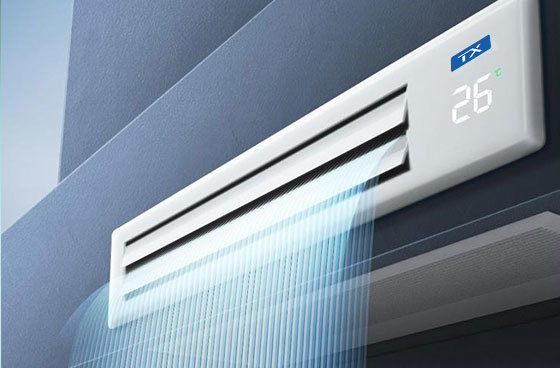
When your home feels warm despite the thermostat being set correctly, one of the most common and frustrating issues is acentral air conditioner compressor not turning on.. The compressor is a critical component of any central cooling system.. For modern applications, a vrf air conditioning system offers excellent efficiency and zone control. If it fails to start, the system may blow air without cooling, or stop working altogether.
What Does a Central Air Conditioner Compressor Do?
The compressor is often described as the “heart” of a central air conditioner. Its job is to circulate refrigerant throughout the system so heat can be removed from your home and released outdoors.
In a typical cooling cycle, warm indoor air passes over the evaporator coil, where refrigerant absorbs heat and changes into a low-pressure gas. The compressor then pressurizes this gas and sends it to the outdoor condenser coil, allowing heat to dissipate outside. Without this process, effective cooling is not possible.
When a central air conditioner compressor not working, you may still hear the indoor fan running, which can be misleading. According to data referenced by the U.S. Department of Energy, the compressor is one of the most energy-intensive components in an HVAC system, making its proper operation essential for both comfort and efficiency.
Why Is My Central Air Conditioner Compressor Not Turning On?
There are multiple reasons a central air conditioner compressor not coming on, and the cause is not always the compressor itself. In real-world service calls, HVAC technicians often find electrical or safety-related issues.
| Common Cause | Impact on Compressor |
|---|---|
| Tripped circuit breaker | Power to the outdoor unit is interrupted |
| Faulty capacitor | Compressor cannot start or struggles to run |
| Defective contactor | Electrical signal fails to reach the compressor |
| Low refrigerant level | Safety switches prevent compressor operation |
| Overheating | Thermal overload temporarily shuts down the compressor |
Industry training resources frequently note that capacitors are among the most commonly replaced HVAC parts due to heat exposure and aging. Environmental factors such as debris buildup, restricted airflow, or extreme outdoor temperatures can also contribute to compressor shutdowns.
How Can You Safely Troubleshoot a Compressor That Won’t Start?
If you suspect a central air conditioner compressor not running, there are a few checks homeowners can perform safely before calling a professional. Safety should always be the top priority.
First, verify that the thermostat is set to “Cool” and the temperature setting is lower than the current room temperature. Next, check your electrical panel for a tripped breaker connected to the outdoor unit. You may reset it once, but repeated tripping often signals a deeper issue.
Listen carefully to the outdoor unit. A humming sound without startup can indicate a capacitor issue, while total silence may point to a power supply or control problem. Visible damage, such as bulging capacitors or burned wiring, should be treated as a stop sign for DIY efforts.
Manufacturers like Trane and Carrier consistently advise homeowners to avoid handling high-voltage components. Their consumer education resources emphasize professional inspection for electrical and refrigerant-related problems (see Trane and Carrier residential service guidance).
What Are the Warning Signs of a Failing AC Compressor?
Compressors rarely fail without warning. Many homeowners report early symptoms weeks or months before a complete breakdown. Recognizing these signs early may help prevent more extensive system damage.
| Warning Sign | Possible Meaning |
|---|---|
| Warm air from vents | Refrigerant is not being compressed properly |
| Clicking or buzzing noises | Electrical or internal mechanical stress |
| Hard starting | Weak or failing capacitor |
| Frequent breaker trips | Compressor drawing excessive current |
| Higher energy bills | Reduced system efficiency |
According to energy efficiency research referenced by the U.S. Department of Energy, routine maintenance such as cleaning coils and checking electrical connections can help extend compressor life, though results vary by system and usage conditions.
Should You Repair or Replace a Central AC Compressor?
The decision to repair or replace depends on several factors rather than a single rule. System age, warranty coverage, repair cost, and overall efficiency should all be considered.
If your system is more than 10–12 years old, replacing only the compressor may not be cost-effective. In contrast, systems still under manufacturer warranty may benefit from compressor replacement at a lower out-of-pocket cost.
Newer central air conditioner systems often feature variable-speed or inverter compressors that can improve comfort and reduce energy use compared to older designs, without guaranteeing identical results for every household.
Conclusion
A central air conditioner compressor not turning on can feel overwhelming, but understanding the causes, warning signs, and safe troubleshooting steps empowers homeowners to act wisely.
Whether the solution involves a minor electrical repair or a system upgrade, choosing the right central air conditioner and working with qualified professionals can help restore comfort, efficiency, and peace of mind.
FAQs
Can a bad capacitor cause the AC compressor not to turn on?
Yes. A failing capacitor is one of the most common reasons a compressor fails to start. Symptoms often include humming noises or intermittent operation.
Will a tripped breaker stop the central air conditioner compressor from starting?
Yes. A tripped breaker cuts power to the outdoor unit, preventing the compressor from running. Repeated trips usually indicate an underlying issue that requires professional diagnosis.
How much does it cost to replace a central air conditioner compressor?
Costs vary based on system size, brand, labor rates, and warranty status. In the U.S., homeowners commonly report a range from several hundred to several thousand dollars.
