
Why Does My Central Air Conditioner Breaker Keep Tripping?
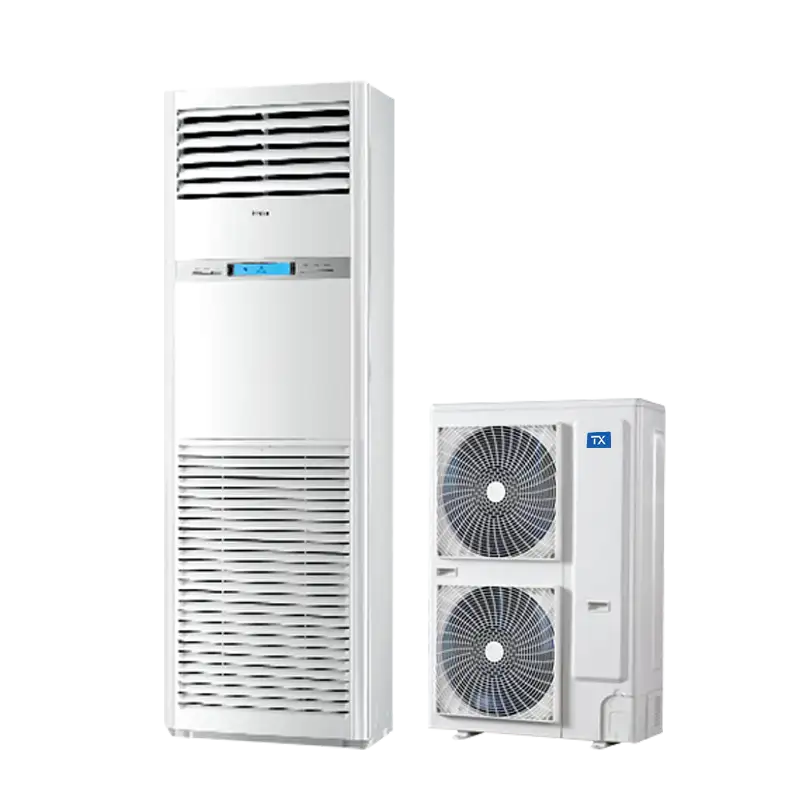
If yourcentral air conditioner breaker keeps tripping, it can be frustrating, especially on a hot summer day.. A breaker that repeatedly trips is your home's safety system preventing potential electrical hazards.. For modern applications, a vrf air conditioning system offers excellent efficiency and zone control. Understanding the common causes and solutions will help you protect your AC system, avoid costly repairs, and maintain a comfortable indoor environment.
What Causes a Central AC Breaker to Trip?
Several factors can cause a central air conditioner breaker to trip. Often, breakers trip due to electrical overloads, short circuits, or mechanical issues within the AC system. According to the U.S. Department of Energy, HVAC systems consume a significant portion of a home’s energy, and even minor electrical issues can overload a circuit.
Some common causes include:
- Faulty wiring in your home
- Worn-out or aging breakers
- Sudden power surges during extreme weather
In many scenarios, the breaker is performing as intended, protecting your home from fire hazards or damage to the central air conditioner. Identifying the root cause often requires inspecting the breaker panel and AC components, especially if the issue occurs during peak cooling demand.
How Can a Dirty or Clogged Air Filter Affect My AC Breaker?
A clogged air filter restricts airflow, forcing the AC to work harder. This increased electrical demand can cause the breaker to trip repeatedly. According to Carrier, regular maintenance, including filter replacement, reduces stress on the system and prevents common electrical issues.
| Filter Type | Replacement Frequency | Notes |
|---|---|---|
| Standard Fiberglass | Every 30 days | Cheap, less efficient |
| Pleated | Every 60–90 days | Better filtration |
| HEPA | Every 6 months | Best for air quality |
By maintaining clean air filters, you can reduce the likelihood of tripping breakers and also improve indoor air quality. Learn more about proper central air conditioner maintenance practices for longevity.
Is an Overloaded Circuit Causing My Breaker to Trip?
Overloaded circuits are a primary reason for repeated breaker trips. If your AC shares a circuit with other high-power appliances, the combined load can exceed the breaker's capacity. The National Fire Protection Association reports that electrical overloads are a leading cause of residential fires, highlighting the importance of dedicated circuits for large HVAC systems.
Signs of an overloaded circuit include:
- Frequent breaker trips during high AC usage
- Flickering lights or appliances shutting off
- Warm or discolored breaker panel
Homeowners can reduce overload risks by ensuring their central air conditioner is on a dedicated circuit rated for its amperage. For example, a 3-ton AC unit typically requires a 30–40 amp breaker. Consulting a licensed electrician is recommended to confirm circuit specifications.
Could a Faulty AC Compressor or Motor Be the Problem?
Mechanical issues in the AC system, such as a failing compressor or motor, can draw excessive current, causing the breaker to trip. Signs of a faulty compressor include unusual noises, uneven cooling, or increased energy bills. In some cases, capacitor failure contributes to hard starts, straining the motor and the breaker.
According to Trane, early detection of mechanical faults prevents more significant damage to HVAC systems. Scheduling regular inspections and using professional services can identify compressor or motor issues before they cause repeated breaker trips.
What Steps Can I Take to Fix a Tripping AC Breaker?
To address a central air conditioner breaker keeps tripping scenario:
- Turn off the AC and let the breaker reset.
- Inspect and replace air filters if clogged.
- Check for shared circuits and redistribute load if needed.
- Inspect the AC unit for mechanical problems like a failing motor or compressor.
- Consult a licensed HVAC technician for complex electrical or mechanical issues.
Preventative maintenance, such as scheduled tune-ups and proper circuit planning, significantly reduces recurring trips. For reliable central air conditioning solutions, check professional guidance on central air conditioner systems.
Conclusion
A tripping AC breaker is a warning sign, not just an inconvenience. From dirty filters and overloaded circuits to mechanical faults, understanding the root causes helps protect your system and your home. Regular maintenance, proper load management, and professional inspections ensure your central air conditioner runs safely and efficiently.
FAQs
How often should I check my AC breaker?
Check at least once a year or whenever unusual trips occur.
Can a tripping breaker damage my central air conditioner?
Repeated trips can stress components over time, potentially leading to costly repairs.
When should I call a professional HVAC technician for a tripping breaker?
If the breaker trips frequently despite basic troubleshooting, or if mechanical issues like compressor or motor faults are suspected.
