
Central Air Conditioner Blowing Hot Air? The Expert Diagnostic Guide
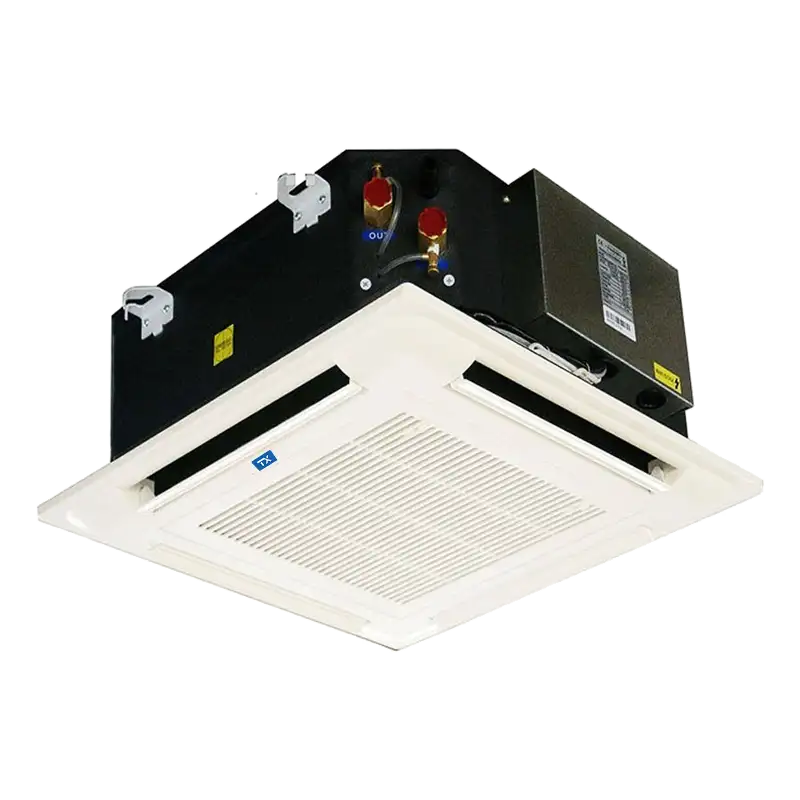
Coming home on a sweltering summer afternoon only to find your home turning into an oven is an immediate household crisis—especially when you can hear the vents humming but feel nothing but heat. When your central air conditioner is blowing hot air, it indicates a severe breakdown in your system's thermodynamic cycle. Your system is successfully moving air, but it has completely lost its ability to extract and reject indoor heat.
Before you panic and call a local mechanical contractor for an expensive emergency weekend service visit, there are several diagnostics you can perform yourself. This comprehensive engineering guide walks through step-by-step DIY validation checks, complex mechanical failure modes, and how to determine when a major system breakdown requires specialized variable-capacity industrial upgrades.
The Immediate Response: 3 Quick DIY Checks to Perform Now
In many scenarios, an AC system that stops producing cold air isn't fundamentally broken; rather, it is reacting to a safety limit or a simple maintenance oversight. Check these three primary operational areas first before calling a technician:
1. Audit the Thermostat Interface Configuration
Thermostat settings are altered accidentally more often than property managers realize. Verify if your thermostat fan mode is set to "ON" instead of "AUTO." When set to "ON," the indoor blower fan runs continuously 24/7, even when the outdoor cooling compressor has cycled off. This results in the system blowing uncooled, room-temperature (or mildly warm) air through your registers during compressor downtime.
2. Check for a Severely Fouled Air Filter
A neglected, dust-caked air filter does far more than reduce indoor air quality—it suffocates the entire HVAC infrastructure. When airflow across the indoor evaporator coil drops below standard cubic feet per minute (CFM) parameters, the refrigerant temperature inside the coil plummets. This causes surrounding atmospheric moisture to freeze instantly on the metal fins, turning the assembly into a solid block of ice that completely blocks heat transfer. The system struggles, blocks airflow, and begins blowing warm motor heat into the house.
3. Verify the Outdoor Unit Power Supply
Central air conditioning networks split their power draw across separate circuits. Your indoor blower fan runs on a separate breaker than the high-amperage outdoor condenser unit. Go to your electrical panel and check if the main double-pole breaker for the outdoor unit has tripped. If the outdoor unit has lost power while the indoor unit is active, your system will act as a giant, expensive fan, recirculating unconditioned ambient air.
Severe Mechanical Failures Behind a Central AC Blowing Warm Air
If your filters are immaculate, your thermostat is programmed correctly, and the outdoor unit is free of landscaping debris, the issue points to an internal mechanical or electrical subsystem failure.
While a simple residential split-system often fails due to a stuck relay, identifying why an advanced multi-zone central air conditioner blowing hot air occurs requires a deeper dive into inverter data, variable refrigerant flow (VRF) pressures, and electronic expansion valve synchronization.
In sophisticated variable refrigerant flow (VRF) layouts, an internal electronic expansion valve (EEV) stuck in the closed position or a digital communication loop error between the central outdoor mainboard and an individual indoor zone can halt cooling to a specific branch. The terminal unit fan will continue to spin in ventilation mode, but the system will withhold refrigerant flow to that zone, causing a localized "warm air" symptom that requires digital fault-code scanning to resolve.
1. Failed Outdoor Run Capacitor or Contactor
The outdoor compressor and condenser fan motor demand an intense electrical surge to initiate their operational cycles, which is supplied by the run capacitor. Due to extreme summer thermal stress, capacitors frequently swell, leak oil, and lose capacitance. If the capacitor fails, the outdoor compressor cannot start. You will hear a distinct humming sound coming from your outdoor cabinet every few minutes, but the cooling pump remains dead, leaving the indoor vents blowing warm air.
2. Refrigerant Circuit Depletion (Freon Leaks)
Air conditioners do not "consume" refrigerant fluid; it flows through a permanently sealed copper loop. If your system is low on charge, a physical leak has developed due to vibration wear or formicary corrosion. Signs of a refrigerant leak include a faint hissing sound near the indoor air handler or the presence of greasy oil residue around copper joint configurations. Low refrigerant pressures directly cause severe cooling loss, system short-cycling, and eventual warm air output.
The Hidden Danger: How a Blown Compressor Causes Thermal Reversal
Experienced HVAC professionals know that when an AC is blowing intense hot air, the system might be undergoing a mechanical failure known as thermal reversal.
In heat pump systems, a component called the Reversing Valve dictates whether the refrigerant loop cools or heats the building. If this valve becomes mechanically stuck or its electronic solenoid loses power mid-cycle, the system can instantly revert to heating mode. Instead of absorbing indoor heat, it begins pumping intense outdoor thermal energy directly into your living space.
Immediate Mandatory Shut-Down Protocol:
If you notice your vents blowing forcefully hot air while the system is set to cool, turn the system completely OFF at the breaker panel immediately. Continuing to run a central air conditioner in this state can cause unvaporized liquid refrigerant to flood directly back into the compressor pump (liquid slugging), instantly shattering internal valves and destroying the heart of your system.
HVAC Diagnostic Summary Matrix
To help your operations team or facility supervisors evaluate potential maintenance liabilities, use this quick-reference operational matrix:
Observed HVAC Symptom | Primary Mechanical Root Cause | Corrective Restoration Step | DIY vs. Professional | Estimated Budget (USD) |
Air flows constantly but registers feel warm | Thermostat fan mode locked in "ON" | Toggle setting back to "AUTO" | DIY | $0 |
System short-cycles; air feels humid & warm | Heavily fouled interior air filter | Extract and install fresh media | DIY | $15 – $45 |
Outdoor unit clicks/hums; fan doesn't spin | Ruptured run capacitor assembly | Professional electrical component swap | Professional Tech | $120 – $260 |
Ice accumulation on copper refrigerant lines | Low system pressure / Freon leak | Certified leak patch and chemical recharge | Certified Welder | $350 – $900 |
Vents blow intense hot air; system shorting | Stuck reversing valve / Burned compressor | Comprehensive unit retrofit or replacement | HVAC Engineer | $1,800 – $4,000+ |
FAQ: Central AC Blowing Warm Air Troubleshooting
Is it safe to leave my central AC running if it is only blowing warm air?
No. Leaving a malfunctioning system running can burn out the condenser fan motor or permanently seize the compressor bearings. If the system isn't cooling, shut it down at the breaker pane until the root cause is identified by an expert.
Can a dirty outdoor condenser unit cause the AC to blow hot air?
Yes. If the outdoor condenser fins are caked with mud, pollen, leaves, or lawn clippings, the fan cannot draw enough air across the coils to release the indoor heat to the outside environment. This forces system head pressures to skyrocket, causing the compressor to trip on its internal thermal overload safety switch, leaving the indoor fan blowing uncooled air.
Need High-Efficiency HVAC System Upgrades or Project Sourcing?
If your property's aging central cooling layout is continuously breaking down, dropping communication lines, or blowing warm air under peak summer loads, patching up legacy fixed-speed components yields a diminishing return on investment.
The manufacturing and design division at Tongxing HVAC engineers, builds, and distributes premium, inverter-driven VRF/VRV central air conditioning systems engineered for continuous operation, zero-downtime reliability, and smart building integration. Contact our global engineering desk today for specialized technical layouts, multi-zone component selection, and direct factory-wholesale equipment quotes.
Official Website: www.tongxinghvac.com
WhatsApp/Tel: +86 19903816965
Email: admin@tongxingac.com
